Skip to content

The fashion industry has embraced the digital world, and selling clothes online is now a thriving business. Whether you’re a small business owner or a fashion enthusiast with a knack for curating trendy outfits, this guide will help you navigate the journey of selling clothes online. Let’s explore how to make your online clothing venture successful.
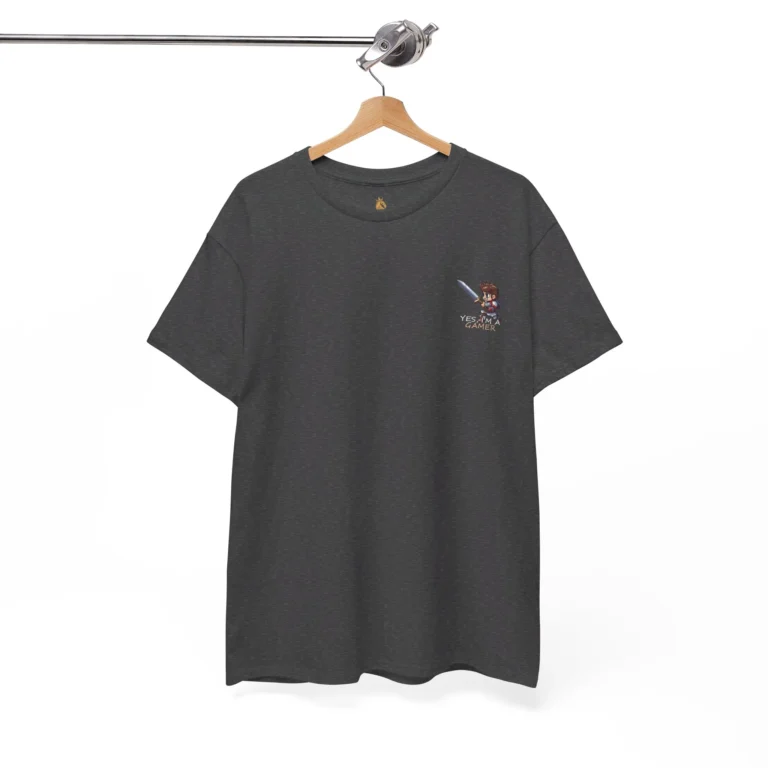
At IRLMOG.com, we specialize in selling gaming-inspired apparel, and we’ve mastered the art of online retail. Let’s dive into tips and strategies to help you succeed too.
Why Selling Clothes Online is Profitable
Selling clothes online has become a highly lucrative business model, and it’s easy to see why. The combination of modern technology, changing consumer habits, and global accessibility has made it one of the fastest-growing e-commerce niches. Here’s a deeper look into the reasons behind its profitability:
- Global Reach
Unlike physical stores limited by geography, selling clothes online allows you to reach customers worldwide. This means your potential customer base is significantly larger. Whether it’s someone shopping from a small town or a bustling city halfway across the globe, your products are just a click away. - Cost-Effective Setup
Traditional brick-and-mortar stores come with high startup and operational costs, including rent, utilities, and staff wages. By selling online, you eliminate most of these expenses. Platforms like Shopify, WooCommerce, and Etsy allow you to set up an online store at a fraction of the cost. - 24/7 Availability
An online clothing store operates round-the-clock. Customers can shop at their convenience, whether it’s during a lunch break, late at night, or on weekends. This constant availability can lead to increased sales opportunities. - Personalization Opportunities
Online tools allow you to gather customer data and personalize their shopping experience. Features like recommending related products, offering discounts based on browsing habits, or sending tailored emails make online shopping feel more exclusive, boosting customer loyalty. - Flexibility and Scalability
Selling clothes online offers unmatched flexibility. You can manage your store from anywhere with an internet connection. Plus, scaling your business is much easier online—you can add more products, run global campaigns, or target niche audiences without worrying about expanding physical space. - Ability to Target Niche Markets
The internet makes it easier to connect with specific audiences. For instance, if you specialize in vintage clothing, sustainable fashion, or gaming-inspired apparel like at IRLMOG.com, you can create targeted campaigns to attract customers who resonate with your niche. - Digital Marketing Drives Sales
Online platforms give you access to powerful marketing tools. From social media advertising to search engine optimization (SEO), digital marketing allows you to showcase your clothing to a precise audience, maximizing your return on investment (ROI). - Sustainability and Ethical Practices
Many customers today prefer brands with eco-conscious or ethical practices. By selling online, you can align your business with these values by using sustainable materials, offering carbon-neutral shipping, or reducing packaging waste. Highlighting these practices can attract eco-conscious buyers. - Trendy Appeal
Online shopping is a growing trend. People love browsing new collections from the comfort of their homes, making online clothing businesses inherently appealing. Seasonal sales, exclusive online deals, and influencers showcasing products can create buzz around your brand. - Lower Entry Barrier
Compared to opening a physical store, selling clothes online has a lower entry barrier. You don’t need a massive budget to start; even a small inventory or made-to-order model can get you started. Many platforms offer tools and templates that make launching your store straightforward.
Key Takeaway for Selling Clothes Online
Selling clothes online isn’t just profitable because of lower costs—it’s a dynamic and adaptable way to meet modern consumer demands. With creativity, effective marketing, and quality products, you can tap into this booming industry and build a thriving online clothing brand.
Benefits:
- Wide audience reach: Sell globally, 24/7.
- Low overhead costs: No need for a physical store.
- Flexibility: Operate from anywhere.
Steps to Start Selling Clothes Online
Here’s a breakdown of the steps to launch your online clothing business:
1. Choose Your Niche for Selling Clothes Online

Choosing a niche is a crucial first step when selling clothes online. It determines your target audience, influences your branding, and sets you apart in the crowded fashion industry. A well-defined niche not only helps you attract the right customers but also positions your brand as a specialist in that area. Here’s a closer look at why this step matters and how to refine your niche:
1.1 Why a Niche Matters
The online fashion market is highly competitive, and standing out can be challenging. By focusing on a specific niche, you make it easier to carve out a loyal customer base. Instead of trying to appeal to everyone, you can target a particular group with unique preferences and build stronger connections with them.
For example:
- A general clothing store might struggle to compete with established giants.
- A store specializing in gaming-inspired apparel, like IRLMOG.com, can target gamers with unique designs tailored to their interests.
1.2 Types of Niches to Consider When Selling Clothes Online
There are endless possibilities when it comes to finding your niche. Here are a few examples:
- Demographic-Based Niches: Target specific groups such as kids, teens, or seniors.
- Style-Oriented Niches: Focus on streetwear, minimalist fashion, or bohemian styles.
- Interest-Based Niches: Cater to fans of gaming, anime, or sports.
- Occasion-Based Niches: Sell outfits for weddings, parties, or workwear.
- Eco-Conscious Fashion: Appeal to customers looking for sustainable, eco-friendly clothing.
- Size-Inclusive or Adaptive Fashion: Target underserved markets like plus-size clothing or adaptive clothing for people with disabilities.
1.3 Researching Your Niche Before Selling Clothes Online
Choosing a niche should involve market research to understand demand and competition. Use the following steps:
- Analyze Trends: Use tools like Google Trends, Pinterest, or Instagram to see what styles are popular.
- Survey Potential Customers: Ask friends, family, or online communities what they look for in clothing.
- Study Competitors: See what other brands in your chosen niche are offering and identify gaps in their product lines.
- Test Small: Start with a limited product range in your niche to gauge interest and adapt based on feedback.
1.4 Creating a Strong Brand Around Your Niche
Once you’ve selected a niche, align every aspect of your brand with it. From your website design to your marketing campaigns, consistency in theme and messaging helps establish a recognizable identity. For example, a gaming-inspired store might use bold, playful visuals, gaming slang, and influencer collaborations to connect with its audience.
1.5 Adapting to Trends Within Your Selling Clothes Online Niche
The fashion industry is always evolving, and staying relevant requires adaptability. Even within a specific niche, trends change. Monitor customer preferences and stay updated on industry shifts to offer fresh, exciting products.
1.6 Benefits of a Niche Market
- Better Targeting: Focused marketing campaigns attract the right audience.
- Higher Profit Margins: Unique and specialized products often justify premium pricing.
- Customer Loyalty: Niche customers tend to be more loyal, as your store caters specifically to their needs.
Key Takeaway
Choosing the right niche is about blending your passions with selling clothes online market demand. A well-defined niche doesn’t just attract customers—it builds a loyal community around your brand. Whether it’s streetwear, eco-fashion, or gaming apparel, finding the right fit ensures your business thrives in the competitive online clothing space.
2. Create a Business Plan

Creating a business plan is a critical step when selling clothes online. A well-thought-out plan provides a roadmap for your business, helps you identify goals, and prepares you to tackle potential challenges. Here’s how to craft an effective business plan tailored to online clothing sales:
2.1 Why You Need a Business Plan for Selling Clothes Online?
A business plan is essential for staying organized and focused. It allows you to outline your vision, define your target market, and establish clear financial and operational strategies. Here’s why it’s invaluable:
- Guidance: Helps you prioritize tasks and allocate resources effectively.
- Attracting Investors: Demonstrates your business’s potential to secure funding or partnerships.
- Setting Goals: Provides measurable benchmarks to track your success.
2.2 Key Components of a Business Plan
a. Executive Summary
This section gives an overview of your business, including your mission statement and goals. For example:
- Mission Statement: “To deliver stylish, gaming-inspired apparel to players worldwide.”
- Goals: Achieve $50,000 in sales within the first year or gain 10,000 Instagram followers.
b. Market Analysis
Study the online clothing market and identify trends in your niche. Analyze your competitors, customer demographics, and pricing strategies.
For instance:
- Trends: Rising demand for sustainable or niche-themed clothing.
- Competitors: Assess competitors like gaming-themed apparel stores and note their strengths and weaknesses.
c. Target Audience
Define your ideal customer. Understand their needs, preferences, and shopping habits. Example:
- Demographics: Gamers aged 18–35 who enjoy casual, trendy fashion.
- Interests: Video games, pop culture, and online shopping.
d. Product Line
Detail the types of clothing you’ll sell and how they fit your niche. Include information about suppliers, materials, and design processes.
Example product range:
- Graphic tees featuring retro gaming designs.
- Hoodies inspired by popular gaming quotes.
- Accessories like hats or tote bags with gaming motifs.
e. Marketing and Sales Strategy
Explain how you’ll promote your store and attract customers. This could include:
- Social Media Campaigns: Use platforms like Instagram, TikTok, and Facebook.
- Influencer Collaborations: Partner with gaming influencers.
- Email Marketing: Offer discounts to first-time subscribers.
f. Operational Plan
Describe the day-to-day operations of your business, such as inventory management, order fulfillment, and customer service.
- Will you handle shipping in-house or use a third-party logistics provider?
- How will returns and exchanges be managed?
g. Financial Plan
Include your budget, startup costs, and projected revenue. Detail how you’ll use funds and when you expect to break even.
Example:
- Startup Costs: Website design, inventory, and advertising (~$5,000).
- Monthly Revenue Target: $2,000 by the third month of operations.
2.3 Tools to Simplify Your Selling Clothes Online Business Plan
You don’t have to start from scratch—many tools can guide you:
- Templates: Use free online business plan templates.
- Financial Tools: Tools like QuickBooks can help track expenses and revenues.
- Market Research Tools: Google Trends and competitor analysis platforms like SEMrush.
2.4 Adapting Your Plan as You Grow
A business plan isn’t static. Regularly review and adjust it based on performance and market changes.
- If a specific product line is underperforming, consider replacing it.
- Track customer feedback to identify new opportunities.
Key Takeaway
Your business plan is the backbone of your online clothing store. It’s not just a document—it’s your strategy for success. By carefully planning every detail, from target audience to finances, you’ll set your business on the path to thriving in the competitive online marketplace.
3. Select a Platform

Choosing the right selling platform is a critical decision when starting an online clothing business. Your platform determines how you present your products, interact with customers, and manage transactions. The right choice can significantly impact your sales and overall success.
3.1 Types of Platforms For Selling Clothes Online
There are several types of platforms available, each offering unique advantages. Here’s an overview:
a. E-commerce Platforms
These platforms are designed for online stores and provide robust tools for selling. Popular options include:
- Shopify: Easy to use with a variety of templates. Ideal for beginners and small businesses.
- WooCommerce: A WordPress plugin that’s customizable and budget-friendly.
- BigCommerce: Great for scalability, perfect if you plan to expand quickly.
b. Online Marketplaces
Marketplaces allow you to tap into their existing customer base but often charge fees. Examples include:
- Amazon: High traffic but competitive and fee-heavy.
- eBay: Suitable for vintage or unique clothing items.
- Etsy: Perfect for handmade or niche-themed clothing.
c. Social Media Platforms
Social media can double as a selling platform and marketing tool.
- Instagram Shopping: Showcase your products visually and sell directly through the app.
- Facebook Shops: Integrates with Facebook and Instagram, providing a seamless shopping experience.
- TikTok Shop: Targets younger audiences and offers in-app purchase options.
d. Custom Websites
Building your own website gives you complete control over branding and customer experience.
- Requires investment in design, hosting, and maintenance.
- Offers flexibility for personalization and SEO optimization.
3.2 Factors to Consider When Choosing a Platform for Selling Clothes Online
Choosing the right platform depends on your business model, budget, and target audience. Here are key factors to weigh:
a. Target Audience
- Are your customers more likely to shop on Instagram or prefer browsing an e-commerce store?
- Younger audiences may prefer social media platforms, while broader demographics lean toward Amazon or Shopify.
b. Budget
- Calculate initial costs, monthly fees, and transaction charges.
- Example: Shopify starts at $29/month, while WooCommerce requires hosting and plugin fees.
c. Ease of Use
- Look for user-friendly interfaces, especially if you’re not tech-savvy.
- Platforms like Shopify and Etsy are beginner-friendly, while WooCommerce requires some technical knowledge.
d. Customization Options
- Custom websites and Shopify allow extensive branding.
- Marketplaces and social platforms have limited design flexibility.
e. Scalability
- If you plan to grow quickly, choose platforms like BigCommerce or Shopify that can scale with your business.
3.3 Top Platforms for Selling Clothes Online
Here’s a quick comparison of popular platforms for selling clothes online:
| Platform | Best For | Fees | Key Features |
|---|---|---|---|
| Shopify | Small to medium businesses | Starting at $29/month | Templates, SEO tools, apps |
| WooCommerce | Customizable, low-budget stores | Free (with hosting costs) | Full customization, WordPress |
| Etsy | Handmade or niche products | 6.5% transaction fee | Large marketplace, easy setup |
| Instagram Shopping | Visual-focused businesses | Free setup, ad costs vary | In-app purchases, social reach |
| Amazon | High traffic, global audience | 8-15% per sale + fees | Prime delivery, global audience |
3.4 Why Platform Choice Matters for Selling Clothes Online?
Your platform affects:
Sales Process: Some platforms handle payments, shipping, and customer service, making operations easier.
Visibility: Platforms with higher traffic, like Amazon or Etsy, can attract more customers.
Brand Identity: Custom websites provide opportunities for unique branding.
3.5 Tips for Selling Clothes Online Success
- Start Small: Test one or two platforms before expanding to others.
- Optimize Listings: Use high-quality images, detailed descriptions, and competitive pricing.
- Integrate Channels: Link your social media, website, and marketplaces to maximize reach.
Key Takeaway
Selecting the right platform is a crucial step in your online clothing business. By understanding your audience, budget, and goals, you can choose a platform that aligns with your vision and sets you up for long-term success.
Marketing Your Clothing Brand

Marketing is essential for online success. Here are a few strategies:
1. Leverage Social Media
Social media is a powerful tool for driving traffic, building brand awareness, and increasing sales when selling clothes online. Platforms like Instagram, Facebook, TikTok, and Pinterest cater well to fashion and lifestyle content, making them ideal for promoting your online clothing store.
Why Social Media is Essential When Selling Clothes Online?
- Massive Reach: Social media platforms collectively host billions of users worldwide, allowing you to connect with a broad audience.
- Visual Focus: Platforms like Instagram and Pinterest are designed for visually appealing content, making them perfect for showcasing your clothing designs.
- Direct Engagement: Social media allows you to interact directly with your customers, answering questions, building trust, and creating a loyal community.
Tips for Leveraging Social Media
- Create Eye-Catching Content:
Post high-quality images and videos of your clothing items. Use aesthetically pleasing layouts, vibrant colors, and creative backdrops to grab attention. Consider using Reels and Stories on Instagram or short videos on TikTok to showcase your products in action. - Collaborate with Influencers:
Partner with fashion influencers to reach their audience. Influencers can showcase your products in an authentic way, driving trust and increasing sales. Look for influencers whose style aligns with your brand. - Run Social Media Ads:
Use paid ads to target specific demographics. Platforms like Facebook and Instagram offer advanced targeting options, allowing you to narrow down your audience by age, location, interests, and more. - Engage Your Audience:
Post regularly and respond to comments, questions, and direct messages promptly. Encourage engagement by hosting giveaways, polls, or Q&A sessions. Build relationships to turn casual viewers into loyal customers. - Leverage Hashtags and Trends:
Use relevant hashtags to increase the visibility of your posts. Participate in trending challenges or events to keep your brand relevant and engaging. - Promote Limited-Time Offers:
Use your social media platforms to announce sales, discounts, or new arrivals. Creating urgency, like limited-time offers, can drive faster purchases.
By using social media strategically, you can boost your online store’s visibility and sales while connecting with your target audience on a more personal level.
2. Focus on SEO
Search Engine Optimization (SEO) is crucial for the success of your online clothing business. By optimizing your website and content for search engines, you can increase your visibility, drive organic traffic, and attract potential customers who are actively searching for clothing items online.
Why SEO Matters
- Increased Visibility: Higher search engine rankings mean more people will find your website.
- Cost-Effective Marketing: Unlike paid ads, organic traffic generated through SEO doesn’t require a direct monetary investment.
- Targeted Traffic: Proper SEO ensures that the right audience finds your store, leading to higher conversion rates.
Key Elements of SEO for Selling Clothes Online
- Keyword Research:
Identify the keywords your potential customers are searching for. Tools like Google Keyword Planner, Ahrefs, or SEMrush can help you discover relevant phrases like “affordable fashion online”, “trendy women’s clothing”, or “buy graphic tees online.” Incorporate these keywords naturally into your product descriptions, blog posts, and metadata. - Optimize Product Pages:
Write unique, detailed, and engaging descriptions for each clothing item. Use high-quality images with descriptive alt text. Include relevant keywords in the product title, description, and tags to improve search engine ranking. - Improve Website Structure:
Ensure your website is user-friendly and easy to navigate. Use categories and filters like size, color, and type of clothing to help customers quickly find what they need. A well-organized website improves user experience, which is a ranking factor for search engines. - Write SEO-Optimized Content:
Create a blog or content section on your site to share fashion tips, styling ideas, or seasonal trends. For example, an article titled “How to Style Oversized Hoodies for Any Occasion” can attract readers who may eventually purchase from your store. Use relevant keywords strategically within your content. - Focus on Mobile Optimization:
A significant portion of online shopping is done on mobile devices. Ensure your website is mobile-friendly, loads quickly, and offers a seamless user experience. Search engines prioritize mobile-optimized sites in their rankings. - Build Backlinks:
Backlinks from reputable websites signal to search engines that your site is trustworthy. Collaborate with fashion bloggers, influencers, or online magazines to get featured and linked to. - Local SEO:
If you sell locally or have a physical store, optimize your website for local searches. Use keywords that include your location (e.g., “affordable hoodies in New York”) and claim your Google My Business listing.
SEO Tools and Resources
| Tool/Resource | Purpose |
|---|---|
| Google Analytics | Track website traffic and user behavior |
| Yoast SEO | Optimize on-page SEO for WordPress websites |
| Ahrefs | Keyword research and backlink analysis |
| SEMrush | Competitor analysis and SEO audits |
| Google Search Console | Monitor site performance and fix SEO issues |
The Long-Term Benefits of SEO
SEO is not a one-time effort but a long-term strategy. By consistently optimizing your content, monitoring performance, and adapting to changes in search engine algorithms, you can maintain a steady stream of organic traffic. This continuous flow of visitors can significantly boost your sales, helping your online clothing business thrive in a competitive market.
3. Email Campaigns for Selling Clothes Online
Email marketing remains one of the most effective tools for driving sales, especially when selling clothes online. Building an email list and sending targeted campaigns helps you engage with your audience, keep them informed about your new arrivals, promotions, and seasonal discounts, and encourage repeat purchases.
Why Email Campaigns Are Important for Selling Clothes Online:
- Direct Communication: Email offers a direct line to your customers. Unlike social media, where posts can get lost in a crowded feed, emails sit front and center in your customer’s inbox. This gives you a higher chance of engaging them and driving them back to your store.
- Personalization: Email campaigns allow you to segment your audience based on their shopping behaviors. For example, you can send personalized emails for customers who have previously bought certain items or abandoned their carts. Personalized emails lead to higher conversion rates.
- Build Brand Loyalty: Regular emails with valuable content like style guides, new releases, and exclusive offers help build a loyal customer base. When customers feel they’re getting special deals, they’re more likely to return.
- Cost-Effective: Compared to traditional forms of advertising, email campaigns are relatively inexpensive. Most email marketing platforms are affordable, and the return on investment (ROI) can be significant when executed properly.
- Automation: With email marketing tools, you can set up automated campaigns. For example, welcome emails, birthday discounts, or post-purchase follow-ups can be sent automatically, ensuring consistent engagement without requiring extra time or effort from your team.
Types of Email Campaigns for Selling Clothes Online:
- Welcome Emails: The first impression matters. A welcome email can make new subscribers feel valued. Offering a discount code or showcasing your best-selling items is a great way to get them started on their shopping journey.
- Product Launch Emails: Whenever you add new items to your collection, send out an email to alert your customers. Make sure to include attractive visuals, descriptions, and direct links to purchase the products.
- Seasonal Promotions & Sales: Email campaigns work well during sales events, such as Black Friday, Christmas, or end-of-season clearance. Offering exclusive discounts to your email subscribers can help boost sales during peak shopping periods.
- Abandoned Cart Emails: One of the most powerful email marketing tactics is sending a reminder to customers who left items in their cart. These emails can include a discount or free shipping offer to entice customers to complete their purchase.
- Re-engagement Emails: For customers who haven’t interacted with your brand in a while, re-engagement emails can reignite their interest. Offer them a special promotion or highlight new products that they might like.
Best Practices for Email Campaigns:
- Craft Engaging Subject Lines: The subject line is the first thing customers see. Make it catchy and relevant to encourage opens. Consider adding a sense of urgency or exclusivity (e.g., “Limited Time Offer!” or “Exclusive Sneak Peek”).
- Segment Your Audience: Don’t send generic emails to everyone. Segment your list based on interests, location, previous purchases, or engagement level. This allows you to tailor your content to specific groups, making your emails more effective.
- Test and Optimize: Regularly test your email campaigns. A/B testing different subject lines, visuals, and calls to action can help you determine what works best with your audience.
- Mobile Optimization: More than half of all emails are opened on mobile devices. Make sure your emails are mobile-friendly by using responsive designs and keeping text concise.
By integrating email campaigns into your overall strategy, you can drive consistent traffic to your online store and increase your sales. Keep your messages relevant and timely, and you’ll build a strong relationship with your audience, ultimately leading to a more successful online clothing business.
Tips for Successful Selling

1. High-Quality Photos
When selling clothes online, one of the most critical factors influencing a customer’s decision to purchase is the quality of the product images. Since customers can’t physically touch or try on the items, high-quality photos provide the next best thing, helping them visualize the product in a real-world setting. Well-shot, clear, and appealing images not only improve the customer experience but also help build trust and credibility for your brand.
Why High-Quality Photos Matter
- Creates a Professional Impression: High-quality images make your store look more polished and professional. Customers are more likely to trust a brand that invests in showcasing its products in the best light possible. When you display clear, well-lit photos, it signals to customers that you care about the quality of both your products and your business.
- Helps Customers Make Informed Decisions: Since shoppers can’t touch or try on the clothes, images are their primary source of information. High-quality photos allow customers to see fine details like fabric texture, stitching, and the fit of the garment. This helps to reduce uncertainty, leading to fewer returns and increased satisfaction.
- Enhances Product Appeal: Great photos can make even a simple item look desirable. By capturing the item in a flattering way, you make it more likely that customers will click on it, consider it, and eventually make a purchase. Quality images can also evoke emotions, which can drive impulse buying decisions.
- Improves Website Experience: Clear, high-resolution images not only help customers see the product details better but also improve their overall website experience. A cluttered or pixelated photo will frustrate potential buyers and could cause them to leave your site. Well-thought-out product photos make shopping easier and more enjoyable.
Types of Product Photos You Need for Selling Clothes Online
- Main Product Image: This is the first image customers will see when browsing through your online store. It should clearly display the product and its main features. Use a white or neutral background to keep the focus on the product. The image should be sharp, clean, and show the full item.
- Multiple Angles: Provide photos of your products from multiple angles so customers can get a full view. For clothing, this might include the front, back, and side shots. Customers may also appreciate seeing close-ups of specific features, such as buttons, zippers, labels, or embroidery.
- Lifestyle Shots: These are photos that show the product in use or worn by a model. Lifestyle images help customers envision how the item will look in real life. For example, showing a hoodie being worn by someone in a casual, outdoor setting allows potential buyers to imagine themselves wearing it. This type of image can elevate the overall appeal of the product.
- Flat Lay Photos: A flat lay image is when you lay the product flat on a surface and photograph it from above. This is especially effective for clothing accessories, shoes, or any item that has details you want to highlight. Flat lay photography works well for showing all the details of your items and makes them look organized and attractive.
- Zoom Feature: Offering the ability to zoom in on your product images is a great feature to enhance the customer experience. Customers appreciate being able to examine the product up close and view details like stitching, fabric quality, and color accuracy. This is especially important for clothing, where fabric type and finish can vary.
- Scale Shots: Including photos that show the size or scale of the product can help reduce confusion about its dimensions. For example, if you’re selling a large item, such as a coat or jacket, showing someone wearing it gives the customer a clearer sense of the size and fit.
Tips for Taking High-Quality Photos
- Use Proper Lighting: Natural light is ideal for product photography, as it shows colors most accurately. If you’re shooting indoors, consider using softbox lights to eliminate shadows and give your products an even, bright appearance. Avoid harsh lighting, as it can create unflattering shadows and make your photos look unprofessional.
- Focus on Detail: Ensure that every photo is sharp and in focus. A blurry image will make your products appear lower quality and unprofessional. Double-check that the entire garment or accessory is captured clearly before uploading.
- Keep the Background Simple: A clean and simple background ensures that the focus remains on the product. Use a neutral-colored backdrop or a plain white background to keep the item in focus and eliminate distractions.
- Use a Tripod: A tripod helps to stabilize your camera and ensures your photos are sharp and well-composed. It also allows you to experiment with different angles without worrying about shaky hands.
- Edit and Enhance: While you don’t want to mislead customers with heavily edited photos, enhancing your images slightly can make a big difference. Adjusting the brightness, contrast, and sharpness can make your photos more vibrant and eye-catching. Be sure to keep the colors true to life to avoid disappointments.
How High-Quality Photos Can Boost Your Online Clothing Sales
- Increase Conversion Rates: Customers are more likely to buy items that they can see clearly and in great detail. High-quality product photos help build trust and provide the information needed to make a purchase.
- Lower Return Rates: Accurate photos help customers better understand what they’re buying, which leads to fewer returns. By showcasing the fit, material, and overall design of your clothes, you can reduce the chances of customers being dissatisfied with their purchase.
- Boost Your Social Media Appeal: High-quality photos are perfect for sharing on social media platforms. Great visuals will help your clothing brand stand out and attract attention from potential customers, increasing engagement and driving traffic to your online store.
High-quality photos are essential for any online clothing store. They provide the visual information customers need to make informed decisions and create a sense of trust and professionalism. By investing in high-quality photography and following best practices, you can significantly improve the overall shopping experience, boost sales, and enhance your brand’s reputation.
2. Detailed Product Descriptions
When selling clothes online, the product description is an essential part of the customer’s buying journey. Since your customers can’t physically touch or try on the clothing items, your product descriptions serve as a tool to provide key details and help buyers make informed decisions. A well-crafted description can convey the quality, style, and benefits of the product, guiding customers toward making a purchase.
Why Detailed Product Descriptions Are Important for Selling Clothes Online?
- Helps Customers Make Informed Decisions: A detailed product description provides customers with essential information that they need to assess whether the item is right for them. The more details you include, the more confident customers will feel in their decision to purchase. This can result in fewer returns and higher customer satisfaction.
- Reduces Uncertainty: Online shoppers often face uncertainty about the size, fit, and feel of a product since they can’t touch or try it on. By including detailed descriptions, you can reduce this uncertainty. Be specific about the size measurements, materials, and fit to guide customers in understanding how the clothing item will work for them.
- Increases Engagement and Conversion: A compelling product description can capture a customer’s attention, keep them on your site longer, and ultimately convince them to purchase. A well-written description helps sell the product by painting a picture of how the item will fit into the customer’s lifestyle, offering both emotional and practical benefits.
- Improves SEO: Product descriptions are also vital for SEO (search engine optimization). By using keywords that potential buyers are likely to search for, such as “comfortable cotton t-shirt” or “vintage denim jacket,” you can help your clothing items appear in relevant search results. This increases organic traffic and improves your store’s visibility on search engines like Google.
What Should Be Included in a Product Description?
- Product Name: Always start with a clear and concise name for the item. Be descriptive but avoid using excessive keywords. For example, instead of just “T-shirt,” try something more specific like “Soft Cotton Graphic T-shirt for Casual Wear.”
- Fabric and Material Information: Customers want to know what their clothes are made from. Include details on the fabric, such as whether it’s cotton, polyester, leather, or any other material. Also, mention the texture, weight, and any features that make the material unique or special, like moisture-wicking or eco-friendly fabric.
- Size and Fit Details: Size information is crucial for online clothing stores. Provide a detailed size chart and explain the fit (e.g., slim fit, regular fit, oversized). If the fit runs large or small, make sure to mention it in the description to avoid confusion. Additionally, note if the garment has any stretch or elasticity.
- Care Instructions: Include information about how to care for the item to help it last longer. This could include washing instructions (e.g., machine wash cold, tumble dry low), ironing instructions, and whether the item can be dry-cleaned. Offering care instructions shows that you care about the longevity of the product and gives customers more value.
- Style and Design Features: Highlight the unique style or design of the clothing item. This might include features like a stylish collar, pockets, embroidery, stitching, or custom prints. Use descriptive language to evoke emotions, like “vibrant floral print,” “sleek minimalist design,” or “boho-chic vibes.”
- Occasion and Versatility: Explain how the item can be worn and what types of occasions it’s suitable for. Is it a casual tee for everyday wear or a formal dress for an evening out? This helps customers understand where and how they can incorporate the item into their wardrobe. Mention any versatility, like whether the piece can be dressed up or down.
- Benefits and Features: Go beyond just describing the item and highlight its benefits. For example, does the jacket keep you warm on a chilly day? Is the shirt made from breathable fabric to keep you comfortable? Emphasize how the product adds value to the customer’s life.
- Brand Story (Optional): If applicable, you can include a brief section about your brand, its mission, and its values. Customers often want to support brands that align with their own values, such as sustainability or ethical manufacturing practices. If your brand is eco-conscious, this is a good opportunity to share that message.
Tips for Writing Effective Product Descriptions
- Use Clear and Concise Language: Avoid jargon or overly complex language. Write in a tone that’s easy for your customers to understand. Use short paragraphs and bullet points to make it easy for shoppers to scan.
- Highlight Unique Selling Points: Focus on what sets your product apart from others. If the item has a special feature, like being made from organic cotton, make sure that information stands out. This could be the reason a customer chooses your product over a competitor’s.
- Focus on Benefits, Not Just Features: Instead of only listing the features (e.g., “100% cotton”), explain how those features benefit the customer. For example, “Made from soft, breathable cotton that keeps you comfortable all day long.”
- Avoid Overuse of Adjectives: While adjectives like “amazing” or “incredible” might sound appealing, they don’t add much value. Instead, focus on specific details that tell customers why your product is worth buying. For instance, instead of saying “amazing quality,” describe what makes it amazing: “Made from durable, high-thread-count cotton for long-lasting comfort.”
- Use Keywords for SEO: Incorporate relevant keywords naturally into your product descriptions. Think about the words or phrases that potential customers might type into a search engine when looking for products like yours. For instance, instead of just saying “shirt,” you might use “vintage graphic tee” or “premium cotton shirt” to attract more traffic.
- Tell a Story: Some customers love to hear the story behind a product. Whether it’s a design inspiration, a craft process, or a historical significance, storytelling can add a personal touch. It makes the shopping experience feel more authentic and helps customers connect with the product.
Example of a Detailed Product Description
Men’s Leather Jacket – Classic Biker Style
This classic biker-style leather jacket is made from premium, 100% genuine leather. The soft, smooth texture is both durable and comfortable, ensuring that you can wear it for years to come. The bold, edgy design features a sleek zip-up front, zippered cuffs, and a quilted lining for extra warmth. With a slim, tailored fit, this jacket is perfect for a night out or a weekend ride.
- Material: 100% genuine leather
- Fit: Slim fit with adjustable cuffs
- Design: Quilted lining for warmth, zippered pockets, classic biker style
- Care: Wipe clean with a damp cloth, avoid machine washing
Detailed product descriptions are essential for successful online clothing sales. They provide customers with the information they need to make informed decisions, help reduce uncertainty, and improve your store’s visibility in search engines. By focusing on the key details that matter most—fabric, fit, care instructions, and unique features—you can create compelling descriptions that drive sales and enhance customer satisfaction.
3. Competitive Pricing
When it comes to selling clothes online, competitive pricing plays a critical role in attracting customers and driving sales. Pricing your products too high could drive potential buyers to your competitors, while pricing too low might suggest poor quality or result in unsustainable profit margins. Finding the right balance is essential for long-term success in the highly competitive online fashion market.
Why Competitive Pricing Matters for Selling Clothes Online?
- Attracts Customers: In the world of online retail, price is one of the most important factors that influence a customer’s decision to buy. Competitive pricing helps you attract customers who are looking for the best value for their money. If your prices are too high compared to other sellers offering similar products, customers may choose to shop elsewhere. Conversely, too-low prices may lead buyers to question the quality of your items or drive down your profit margins.
- Improves Sales Volume: Setting a competitive price point can significantly boost your sales volume. When customers feel they are getting a good deal, they are more likely to purchase, recommend your store to others, and return for future purchases. Having a strong pricing strategy allows you to find that sweet spot where demand meets profitability.
- Builds Brand Perception: The price of your clothing products also helps shape how customers perceive your brand. High-end or luxury clothing items typically demand higher prices, while fast-fashion or budget clothing will be priced lower. Offering competitive pricing in line with the brand image you wish to project is crucial in attracting the right type of customer. Pricing also impacts the customer’s perception of quality, exclusivity, and value.
- Helps Stay Competitive in the Market: With the rapid growth of e-commerce, many clothing brands and retailers are competing for the same customers. To remain relevant and maintain a steady customer base, it’s important to keep your prices competitive. Regularly evaluating your pricing strategy ensures that you can adjust based on market trends, demand fluctuations, and competitor actions.
- Increases Customer Loyalty: Offering competitive pricing without compromising the quality of your products helps build customer loyalty. Customers appreciate when they feel they are receiving good value for their money. In turn, loyal customers are more likely to return for repeat business and refer friends, which contributes to sustainable growth.
How to Set Competitive Prices
- Know Your Costs: Before setting prices, it’s crucial to understand your costs—this includes production, shipping, marketing, and other operational expenses. Knowing your cost structure ensures that you can price your products at a level that covers your costs while still generating a profit. Don’t forget to include taxes and transaction fees into your pricing strategy.
- Research Your Competitors: Take the time to research what similar clothing brands or stores are charging for similar products. Visit their websites, check out online marketplaces, and pay attention to their pricing strategies. Understand the price range for items similar to yours and how they compare in terms of quality and style. This research will help you set your prices competitively, without underselling or overpricing.
- Consider Your Target Market: Price sensitivity can vary greatly depending on the customer demographic. Some shoppers may be more price-conscious and look for discounts, while others may be willing to pay a premium for higher-quality or branded items. Understanding your target market will help you price your products according to their expectations. For example, if you cater to a younger audience or budget-conscious buyers, lower pricing may be necessary to stay competitive. On the other hand, if you sell luxury fashion, a higher price tag may align with the expectations of your customer base.
- Offer Discounts and Promotions: Pricing isn’t only about setting an initial retail price. Offering occasional discounts, sales, or promotional pricing can entice customers to buy. Consider implementing strategies like flash sales, seasonal discounts, or bundles to create a sense of urgency. Offering first-time buyer discounts, loyalty programs, or limited-time offers can also be effective in attracting customers without devaluing your products.
- Psychological Pricing Strategies: Retailers often use psychological pricing techniques to make prices appear more attractive. For example, pricing something at $49.99 instead of $50 can make a big difference in a customer’s mind, even though the difference is only a penny. Similarly, offering “Buy One, Get One 50% Off” promotions or pricing bundles at a discount can create the perception of added value.
- Dynamic Pricing: In today’s e-commerce world, prices are not set in stone. Many online sellers use dynamic pricing strategies, which involve adjusting prices based on factors like demand, competition, or seasonality. For example, you might raise prices during a peak shopping season or lower them when demand drops. Dynamic pricing requires careful monitoring and data analysis to ensure that you are pricing optimally and staying competitive.
- Consider the Value Proposition: Your product’s value proposition—what makes it unique, high-quality, or desirable—should justify its price. A good price reflects the value customers receive from purchasing the item. If your clothing brand offers superior quality, excellent customer service, or eco-friendly production methods, you can price your items slightly higher. In this case, customers will perceive the added value and be willing to pay more.
- Leverage Marketplaces for Pricing Insights: Selling on online marketplaces like Amazon, Etsy, or eBay provides valuable insights into competitive pricing. These platforms allow you to compare your prices to those of similar sellers, offering real-time feedback on how your pricing aligns with customer expectations. Additionally, they often provide tools and features that suggest pricing strategies based on demand, sales trends, and competition.
Pricing Strategies for Different Types of Clothing
- Fast Fashion: Fast fashion brands typically focus on offering affordable and trendy clothing. The pricing strategy for fast fashion revolves around quick turnover, lower margins, and frequent inventory updates. Offering promotions, discounts, and low prices is common in this sector.
- Premium/Luxury Clothing: Premium or luxury brands, on the other hand, use pricing to create exclusivity and maintain high perceived value. Pricing for luxury clothing is often higher, reflecting high-quality materials, craftsmanship, and branding. These brands often rely on high-quality customer service and limited availability to create demand.
- Niche Markets: If you are selling niche clothing items, like eco-friendly, plus-size, or athleisure apparel, you may need to focus on a specific customer base and tailor your pricing to that audience. Niche markets often support slightly higher pricing due to the specialized nature of the products, but offering value through superior quality or specific features is essential.
- Discount and Outlet Stores: For businesses focusing on discount clothing or outlet sales, pricing strategies will revolve around offering lower prices than competitors while still making a profit. Discounts, clearance sales, and promotions are often used to clear out inventory and drive sales volume.
Setting competitive pricing is crucial for selling clothes online successfully. By understanding your costs, researching competitors, and considering your target market, you can develop a pricing strategy that ensures profitability while attracting customers. Whether you’re using psychological pricing techniques or offering discounts to create urgency, it’s essential to maintain a pricing structure that balances value, quality, and market demand. Competitive pricing not only drives sales but also helps build long-term customer loyalty and brand recognition.
Common Challenges and How to Overcome Them

While selling clothes online offers plenty of opportunities for growth and success, it also comes with its own set of challenges. Understanding these obstacles and developing strategies to overcome them is key to building a sustainable and profitable online clothing business. Below, we’ll explore some of the most common challenges that online clothing retailers face and how you can tackle them effectively.
1. Intense Competition
The online clothing market is highly competitive, with numerous brands vying for the attention of consumers. With so many options available, standing out from the crowd can feel overwhelming.
How to Overcome It:
- Focus on Niche Markets: Instead of trying to appeal to everyone, focus on a specific niche that resonates with your target audience. Whether it’s eco-friendly apparel, plus-size fashion, or streetwear, carving out a niche allows you to tailor your marketing efforts and create a more personalized experience for your customers. Niche markets tend to have less competition, and the customers are often more loyal and engaged.
- Create Unique Products: Offering exclusive designs, customizations, or unique clothing items can help differentiate your brand. Create a unique selling proposition (USP) that sets you apart from your competitors, whether it’s quality, pricing, customer service, or brand philosophy.
- Leverage Branding: A strong, well-defined brand helps you build recognition and loyalty. Focus on creating a memorable experience through packaging, customer service, and storytelling. A solid brand identity helps you attract customers who identify with your values.
2. Inventory Management
Managing inventory can be a logistical nightmare, especially when you’re trying to keep up with changing trends, sizes, and seasonal demands. Overstocking can result in wasted resources and storage costs, while understocking can lead to missed sales opportunities.
How to Overcome It:
- Use Inventory Management Software: Implement inventory management tools to keep track of stock levels, manage orders, and predict demand. Tools like TradeGecko, QuickBooks Commerce, and Stitch Labs can help you monitor inventory across multiple sales channels and reduce human error.
- Implement Just-in-Time (JIT) Inventory: JIT inventory management allows you to order stock only when it’s needed, minimizing storage costs and reducing the risk of overstocking. This strategy works well for smaller businesses or those selling on-demand products.
- Forecast Demand: Use historical sales data to forecast demand for specific products, especially during peak seasons like holidays or sale events. Understanding seasonal trends allows you to plan your inventory accordingly and avoid supply chain disruptions.
- Dropshipping: Consider using dropshipping as an alternative to traditional inventory management. With dropshipping, you only purchase the items you sell, reducing the risk of holding excess stock. However, dropshipping comes with its own challenges, such as limited control over product quality and shipping times.
3. Customer Trust and Satisfaction
Building trust with online shoppers is one of the biggest hurdles for any e-commerce business. Without the ability to touch and try on clothes, customers may hesitate to make a purchase, especially if they’re unsure about the quality, fit, or return policies of the products.
How to Overcome It:
- Offer Clear and Transparent Return Policies: Providing clear and easy-to-understand return and refund policies builds trust with your customers. Knowing they can return an item if it doesn’t fit or meet expectations encourages people to shop with confidence.
- Use High-Quality Photos and Detailed Product Descriptions: Providing accurate and detailed product images, descriptions, and sizing charts helps reduce uncertainty and customer hesitation. The more information you provide, the more comfortable customers will feel about their purchase. If possible, include videos or 360-degree views of the product to enhance the shopping experience.
- Provide Social Proof: Use customer reviews and testimonials to demonstrate the satisfaction of previous buyers. Positive reviews on your website, social media, or third-party platforms like Trustpilot help validate your brand and make your business appear more credible.
- Offer Customer Support: Make sure your customers have easy access to support through live chat, email, or phone. Fast and responsive customer service shows that you care about your customers and their satisfaction.
4. Shipping and Delivery Issues for Selling Clothes Online
Shipping is another common challenge for online clothing stores. Delays, lost packages, and high shipping costs can result in frustrated customers and negative reviews.
How to Overcome It:
- Offer Multiple Shipping Options: Provide a variety of shipping methods to meet the needs of different customers. Offering expedited shipping, free shipping on orders over a certain amount, or standard shipping options can increase customer satisfaction and encourage repeat purchases.
- Work with Reliable Shipping Partners: Partner with reputable shipping companies to ensure fast and reliable delivery. Consider offering tracking numbers for all orders so customers can track their packages and be informed of any delays.
- Set Clear Shipping Expectations: Be transparent about shipping times, costs, and any potential delays. Communicate clearly on your website about estimated delivery times, especially for international shipments. Setting realistic expectations helps avoid dissatisfaction.
- Use Shipping Automation Tools: Shipping software like ShipBob, ShipStation, or EasyShip can help automate and streamline your shipping process. These tools help you print labels, track shipments, and manage multiple carriers, saving you time and reducing the risk of errors.
5. Customer Acquisition and Retention
While attracting new customers is important, retaining existing customers is crucial for building long-term success. The cost of acquiring new customers can be high, so retaining the customers you have should be a priority.
How to Overcome It:
- Focus on Customer Retention: Implement loyalty programs, offer exclusive discounts, and reward repeat customers. Giving your loyal customers incentives to shop again fosters long-term relationships and helps boost lifetime value.
- Email Marketing Campaigns: Stay connected with customers through personalized email campaigns, offering discounts, new arrivals, and product recommendations based on previous purchases. Email marketing helps keep your brand top of mind and encourages repeat purchases.
- Offer Exceptional Customer Service: Going above and beyond with customer service can turn first-time buyers into long-term advocates. Ensure that all customer inquiries are addressed promptly and professionally, and that any issues are resolved quickly.
- Engage on Social Media: Social media is a great way to keep your audience engaged and informed about new products, sales, and events. Respond to comments, share user-generated content, and create interactive posts to foster a sense of community around your brand.
6. Payment Processing and Security
Ensuring secure and seamless payment processing is crucial for gaining customer trust and preventing fraud. Complicated or insecure payment methods can lead to abandoned shopping carts and lost sales.
How to Overcome It:
- Offer Multiple Payment Methods: Provide a variety of payment options, including credit cards, debit cards, PayPal, Apple Pay, and other digital wallets. Offering more payment methods increases the likelihood that customers will complete their purchases.
- Use Secure Payment Gateways: Make sure to use secure payment gateways that protect your customers’ sensitive information. Trustworthy payment processors like Stripe, Square, and PayPal offer encryption and fraud protection to ensure secure transactions.
- Be Transparent About Security: Display security badges on your website, such as SSL encryption icons, to reassure customers that their data is protected during the checkout process. Transparency about your commitment to security helps foster trust with online shoppers.
7. Building Traffic to Your Store
No matter how great your clothing selection is, if no one knows about your store, you won’t make any sales. Driving traffic to your online store is one of the most critical challenges for new and established e-commerce businesses alike.
How to Overcome It:
- Invest in Paid Advertising: Use paid advertising platforms like Google Ads, Facebook Ads, and Instagram Ads to target specific audiences and drive traffic to your site. Paid ads can help you increase brand awareness and generate sales quickly.
- Optimize for SEO: Use search engine optimization (SEO) techniques to increase your website’s visibility on search engines like Google. Focus on keyword optimization, content creation, and backlink strategies to improve organic traffic.
- Collaborate with Influencers: Partner with influencers who align with your brand and can help drive traffic to your online store. Influencers can showcase your products to a wider audience and generate interest in your store.
- Create Engaging Content: Blogging, tutorials, styling tips, and lookbooks are great ways to attract visitors to your website. Providing valuable content builds your authority in the fashion space and encourages customers to return to your store for inspiration.
The challenges of selling clothes online are real, but they are not insurmountable. By focusing on building a strong brand, understanding your audience, managing your inventory wisely, offering excellent customer service, and implementing smart marketing strategies, you can overcome these obstacles and succeed in the competitive world of online fashion. Addressing these common challenges head-on will position your business for growth and help you build lasting relationships with your customers.
The Future of Selling Clothes Online

As the digital world continues to evolve, so too does the fashion industry. The future of selling clothes online is full of opportunities, driven by technological advancements, changing consumer behaviors, and new business models. Understanding these trends and how they will impact the way clothes are bought and sold can help you stay ahead of the competition and position your business for long-term success.
1. Growth of E-commerce and Mobile Shopping
E-commerce has already transformed the retail landscape, and the growth is expected to continue in the coming years. Mobile shopping, in particular, is becoming a dominant force, with more people using their smartphones and tablets to browse and make purchases. In fact, studies show that mobile commerce (m-commerce) is projected to account for more than 50% of all online retail sales in the near future.
What It Means for Sellers:
- Mobile-First Experience: As more consumers shop on mobile devices, it’s crucial to ensure your online store is optimized for mobile. This includes having a responsive website, fast loading times, and an easy-to-navigate interface that makes shopping simple and enjoyable on a smaller screen.
- Mobile Apps: Many successful online clothing stores are launching mobile apps to enhance customer experience and drive sales. Apps can offer personalized recommendations, exclusive discounts, and push notifications that encourage repeat business. Integrating your store with a mobile app is an excellent way to tap into the growing mobile shopping trend.
2. Virtual Shopping and Augmented Reality (AR)
Virtual shopping is taking online retail to the next level, allowing customers to virtually “try on” clothing before making a purchase. Augmented reality (AR) is becoming increasingly popular, with major clothing brands and retailers incorporating it into their online stores. AR technology allows customers to see how a piece of clothing would look on them using their smartphones or other devices, creating a more interactive and immersive shopping experience.
What It Means for Sellers:
- AR-Enhanced Shopping: Integrating AR features into your online store can enhance customer engagement and reduce the likelihood of returns. For example, customers can use AR to see how clothes fit or how a particular item complements their wardrobe.
- Virtual Fitting Rooms: Offering a virtual fitting room experience lets customers try on clothes virtually by uploading a picture of themselves or using their device’s camera. This can provide more confidence in purchasing, especially for items like clothing that rely heavily on fit and style.
3. Sustainability and Ethical Fashion
Sustainability is becoming an increasingly important issue for consumers, particularly younger generations. As more shoppers demand ethical and eco-friendly options, online clothing stores that focus on sustainability will have a competitive edge. This includes offering clothing made from sustainable materials, adopting ethical manufacturing practices, and promoting transparency in the supply chain.
What It Means for Sellers:
- Eco-Friendly Products: Consider offering products made from recycled fabrics, organic cotton, or materials that have a minimal environmental impact. Brands that promote sustainability can not only attract eco-conscious consumers but also contribute positively to environmental efforts.
- Circular Fashion Models: The rise of second-hand, upcycled, and rental fashion is reshaping the clothing market. Offering a “buy-back” or resale program, or even a rental option for high-end items, can allow you to tap into the growing demand for circular fashion. This model can help reduce waste while providing customers with more affordable options.
- Sustainability Messaging: Be transparent about your sustainability efforts. Consumers are more likely to support brands that are open about their commitment to reducing their carbon footprint and improving social conditions within their supply chains.
4. Artificial Intelligence (AI) and Personalization for Selling Clothes Online
AI is revolutionizing the way online clothing stores engage with their customers. From personalized recommendations to predictive analytics, AI enables businesses to deliver a more tailored shopping experience. Machine learning algorithms analyze customer data to suggest products based on past purchases, browsing history, and even social media activity.
What It Means for Sellers:
- Personalized Shopping Experiences: Using AI, you can deliver personalized product recommendations that feel more intuitive and relevant to each customer. By analyzing purchase behavior, browsing habits, and demographic data, you can create targeted marketing campaigns that speak directly to each shopper’s unique preferences.
- Chatbots for Customer Service: AI-powered chatbots can provide 24/7 customer service, answering questions, helping with size guides, and assisting in the checkout process. This creates a smoother, more efficient experience for customers and can improve conversion rates.
- Predictive Analytics for Inventory Management: AI can also help forecast demand for specific products, ensuring you have the right stock at the right time. By analyzing trends, seasonality, and consumer behavior, AI can help you make smarter decisions about which products to stock and when.
5. Subscription and Rental Services
The subscription and rental model is gaining traction in the fashion industry, offering consumers flexibility and variety while allowing clothing stores to generate steady, recurring revenue. Subscriptions provide customers with curated clothing packages, while rentals give them the opportunity to borrow clothing for a set period before returning it.
What It Means for Sellers:
- Subscription Boxes: Subscription boxes are an easy way to generate recurring revenue while providing customers with new and exciting clothing selections every month. You can offer personalized subscriptions based on size, style preferences, and occasion, creating an engaging and convenient shopping experience.
- Clothing Rentals: Rental services allow customers to rent high-quality, designer clothing for special occasions or everyday wear. This model is appealing to consumers who want variety but don’t want to invest in pieces they’ll only wear once or twice.
- Frequent Turnover: The subscription and rental models also help keep your clothing offerings fresh and diverse. This model promotes a continuous flow of new inventory and enables you to build deeper relationships with your customers by offering convenience and variety.
6. Global Expansion and International Shipping
As more consumers shop online, businesses are looking to expand beyond local markets and tap into the global marketplace. International shipping and the ability to sell in multiple currencies are becoming essential for online clothing stores that want to scale and reach a wider audience.
What It Means for Sellers:
- Global Reach: Selling clothes online to international customers offers the potential for significant growth. Consider expanding your shipping options to include countries outside your primary market. Ensure that your e-commerce platform supports multiple languages and currencies for a seamless shopping experience.
- International Partnerships: Collaborating with international retailers or influencers can help increase your brand’s visibility in foreign markets. Developing strategic partnerships will allow you to reach new customers and grow your brand internationally.
- Logistical Considerations: When expanding globally, it’s important to be mindful of international shipping costs, taxes, and customs regulations. Choose reliable international shipping partners and make sure that your business is prepared to handle global logistics efficiently.
7. Integration of Voice Commerce to Shops Selling Clothes Online
Voice search and smart speakers, like Amazon Alexa and Google Assistant, are becoming more common in households. As consumers become accustomed to using voice commands to search for products, it’s likely that voice commerce will become a key part of the future of online retail.
What It Means for Sellers:
- Voice Search Optimization: Optimize your product listings and website for voice search by using natural language and conversational keywords. As more people use voice assistants to shop, being discovered through voice search will become a valuable asset to your business.
- Voice Shopping Integration: Some businesses are already experimenting with voice-activated shopping experiences, allowing consumers to place orders directly through voice commands. While this technology is still evolving, integrating voice commerce into your business could give you an edge over competitors in the near future.
The future of selling clothes online is incredibly exciting, with numerous opportunities for businesses to grow and innovate. By staying on top of emerging trends, leveraging new technologies like AI and AR, and focusing on sustainability, personalized experiences, and global expansion, you can position your online clothing store for success in the years to come. The key is to be adaptable, forward-thinking, and customer-focused in order to meet the changing needs and expectations of today’s digital shoppers.
Selling Clothes Online – Conclusion

Selling clothes online is an exciting and rewarding venture. With dedication, creativity, and the right strategies, you can establish a thriving business.
Start exploring gaming-inspired apparel at IRLMOG.com and learn from a successful online retailer. Happy selling!