Skip to content

Fashion design is a dynamic, creative field that influences how we express ourselves every day. From the runway to streetwear, this industry is constantly evolving, setting trends and reflecting cultural shifts. If you’re passionate about fashion or looking for creative inspiration, you’ll love exploring the ins and outs of this vibrant world.
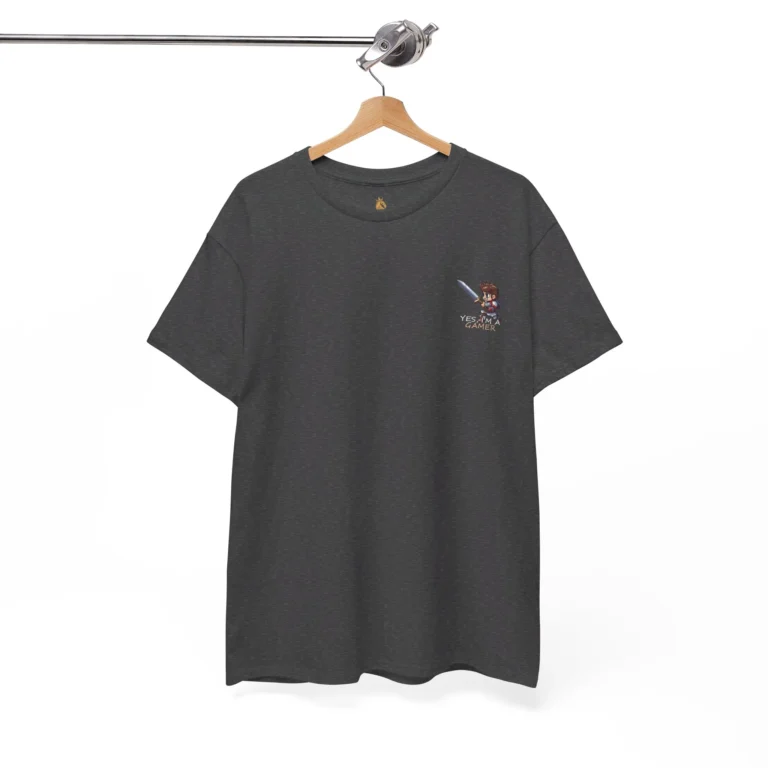
Looking to merge your love of gaming with fashion? irlmog.com offers unique, gaming-inspired apparel and accessories to help you stand out in style. Let’s dive into the world of fashion design and see how it shapes the way we dress and express ourselves.
🧵 What is Fashion Design?
Fashion design is the art of creating clothing, accessories, and footwear that are both functional and aesthetically appealing. It involves a combination of creativity, technical skills, and cultural awareness to produce pieces that people enjoy wearing. From sketching initial ideas to selecting fabrics and overseeing production, fashion designers play a central role in the creation of what we wear every day.
At its core, fashion design is about solving problems while making a statement. Whether it’s crafting an elegant evening gown or designing a comfortable hoodie, each piece serves a purpose while expressing an idea, theme, or emotion. Designers use various elements like color, silhouette, texture, and fabric to bring their vision to life.
Fashion design is also influenced by culture, art, history, and technology. It reflects trends in society and can serve as a commentary on social issues, personal identity, and the state of the world. For example, during periods of economic hardship, simple and practical designs often dominate, while times of prosperity may encourage more elaborate and luxurious pieces.
Different Types of Fashion Design
Fashion design isn’t limited to just one style or category. Designers often specialize in different types of fashion, each catering to specific audiences or purposes:
- Haute Couture
This refers to custom-made, high-end fashion designed for individual clients. Haute couture pieces are typically one-of-a-kind, handcrafted with high-quality materials, and showcased at exclusive fashion shows. - Ready-to-Wear (RTW)
These are collections produced in standard sizes and sold in retail stores. RTW pieces strike a balance between unique design and mass production, making designer fashion more accessible. - Streetwear
Streetwear blends casual, comfortable clothing with an urban edge. It often draws inspiration from skate culture, hip-hop, and gaming culture. Brands like irlmog.com are great examples of gaming-inspired streetwear. - Fast Fashion
Fast fashion focuses on producing trendy designs quickly and affordably to keep up with the latest fashion trends. While it’s budget-friendly, it often raises concerns about sustainability and quality. - Gaming-Inspired Fashion
This niche caters to gamers who want to express their passion through clothing. T-shirts, hoodies, and accessories with references to video game culture are a fun and trendy way to show off gamer pride.
The Design Process
The fashion design process is multi-step and involves both creativity and precision:
- Research and Inspiration
Designers gather inspiration from art, history, travel, pop culture, and nature. Mood boards and trend forecasting help shape their ideas. - Sketching and Conceptualization
Designers sketch their ideas, creating detailed illustrations of their envisioned garments. These sketches help refine the design and plan the next steps. - Fabric Selection
Choosing the right fabric is crucial. The material impacts the texture, drape, and overall feel of the garment. - Pattern Making and Prototyping
A pattern is created based on the design, and a prototype (often called a muslin) is made to test the fit and look. - Final Garment Production
Once the design is perfected, it goes into production. For mass-market clothing, factories manufacture the garments in various sizes.
Skills Required in Fashion Design
Fashion design requires a diverse skill set that blends artistry with technical knowledge:
- Creativity and Imagination – Designers must think outside the box and develop unique concepts.
- Drawing and Illustration – Being able to sketch ideas helps bring concepts to life.
- Sewing and Draping – Technical skills in sewing and fabric manipulation are essential for garment creation.
- Attention to Detail – From stitching to embellishments, small details can make a big impact.
- Trend Awareness – Understanding current trends helps designers create relevant and marketable pieces.
- Business Skills – Successful designers also need marketing, budgeting, and management knowledge.
🎨 Key Elements of Fashion Design
Fashion design is a multidimensional art that merges creativity, functionality, and aesthetics. Understanding its key elements is essential for creating pieces that resonate with your audience while maintaining practicality. Whether you’re an aspiring designer or simply curious about the industry, these core components lay the foundation of exceptional fashion design.
1. Silhouette
The silhouette is the outline or overall shape of a garment. It’s the first thing people notice about a piece and sets the tone for its style.
- Why It Matters: The silhouette defines the structure and form of the clothing, creating a strong visual impact.
- Types of Silhouettes: Examples include A-line dresses, hourglass shapes, and oversized fits. Each evokes a distinct style and mood.
- Trend Influence: Silhouettes often reflect cultural and historical trends, making them a crucial element in fashion design.
For example, oversized silhouettes dominate streetwear today, while fitted designs remain popular in haute couture.
2. Fabric and Material Selection
The fabric you choose significantly impacts the look, feel, and functionality of a garment.
- Texture and Feel: Materials like silk offer a luxurious feel, while denim conveys ruggedness and durability.
- Performance: Some fabrics are chosen for their stretch, breathability, or moisture-wicking properties, especially in athleisure and activewear.
- Eco-Friendly Options: With sustainability becoming a priority, many designers incorporate organic cotton, bamboo, or recycled fabrics into their collections.
Choosing the right material ensures the design’s aesthetic aligns with its intended use.
3. Color Palette
Color is a powerful tool in fashion design. It evokes emotions, sets the mood, and reflects seasonal or cultural themes.
- Emotional Connection: Bright colors like red or yellow are bold and energetic, while muted tones like beige or grey are calming and sophisticated.
- Seasonal Trends: Designers often follow Pantone’s Color of the Year or experiment with trending shades for each season.
- Cultural Significance: Colors can also carry cultural meanings, making them essential in global fashion markets.
An effective color palette makes designs visually appealing and aligns them with current trends.
4. Patterns and Prints
Patterns and prints add personality to a design. From florals to geometrics, prints can make a statement or subtly enhance a garment’s appeal.
- Custom Patterns: Many designers create unique patterns that become a signature of their brand.
- Trend Adaptation: Polka dots, plaid, and animal prints often cycle in and out of fashion trends.
- Mixing and Matching: Experimenting with different patterns or combining them with solid colors can create visually striking designs.
Thoughtful use of patterns makes a garment stand out and adds depth to the collection.
5. Functionality
A garment isn’t just about looking good—it must also serve its intended purpose.
- Comfort: Soft fabrics, stretchable materials, and ergonomic cuts ensure comfort for the wearer.
- Durability: High-quality stitching and fabric choices enhance a garment’s lifespan.
- Purpose-Driven Design: Activewear, for example, prioritizes moisture-wicking and flexibility, while evening wear focuses on elegance and detail.
Functionality ensures designs are not just stylish but also practical for everyday use.
6. Fit and Proportion
The way a garment fits the body is crucial. Proper proportions enhance the aesthetic and ensure the clothing complements the wearer.
- Customization: Designers often tailor pieces to achieve the perfect fit for different body types.
- Style Influence: Loose fits are common in casual wear, while tailored fits dominate formal attire.
- Attention to Detail: Adjusting hemlines, necklines, and sleeve lengths can transform the look of a piece.
Fit and proportion strike a balance between style and comfort, making a garment wearable and flattering.
7. Embellishments and Details
Details like buttons, zippers, sequins, and embroidery add uniqueness to a design.
- Enhancing Aesthetics: Beading, lacework, or metallic accents can elevate a garment’s sophistication.
- Personalization: Custom embellishments often become the hallmark of a designer’s brand identity.
- Balance: While details add charm, overloading a design with embellishments can distract from its overall appeal.
Strategic use of embellishments ensures your designs are eye-catching and distinctive.
8. Inspiration and Storytelling
Fashion isn’t just about clothes—it’s about telling a story. Every collection has a narrative that influences its design.

- Sources of Inspiration: Designers draw ideas from art, nature, history, or even video games, as seen in brands like irlmog.com.
- Themes and Collections: Each collection often revolves around a central theme, such as nostalgia, futuristic designs, or cultural heritage.
- Emotional Connection: A strong narrative resonates with audiences, creating a lasting impression of your designs.
Inspiration drives innovation and gives your designs purpose and meaning.
🕶️ Why Fashion Design Matters
Fashion design is more than just clothes – it’s a way to communicate identity, culture, and creativity. Here are a few reasons why fashion design is so important:
- Self-Expression – Clothing allows people to express their personality and interests.
- Cultural Reflection – Fashion often reflects societal trends, values, and changes.
- Innovation – Designers push boundaries with new techniques, materials, and ideas.
- Economic Impact – The fashion industry creates millions of jobs worldwide.
- Sustainability – Modern fashion design is addressing environmental concerns by promoting ethical practices.
📈 Top Fashion Design Trends in 2025
Fashion design trends change quickly, but here are some standout themes this year:
- Sustainable Fashion – Eco-friendly materials and ethical practices are more important than ever.
- Tech-Infused Clothing – Wearable tech and smart fabrics are making waves.
- Gender-Fluid Fashion – Inclusive designs that break traditional gender norms.
- Gaming-Inspired Apparel – Fashion that celebrates gaming culture, like the creative designs at irlmog.com.
- Bold Colors and Prints – Vibrant, eye-catching patterns are dominating runways.
🛠️ How to Get Started in Fashion Design
Getting started in fashion design can be an exciting journey for anyone with a passion for clothing, creativity, and self-expression. While the industry can seem overwhelming, breaking it down into practical steps makes it manageable. Whether you dream of designing couture, streetwear, or gaming-inspired fashion like what’s offered on irlmog.com, here’s a guide to help you kickstart your fashion design career.
1. Develop Your Skills
To succeed in fashion design, you need to hone your creative and technical skills. Here are key areas to focus on:
- Drawing and Sketching: Practice creating detailed sketches of your ideas. These sketches help you visualize your concepts and communicate them to others.
- Sewing and Garment Construction: Learn how to sew and understand how garments are constructed. Start with basic projects like shirts or skirts and gradually tackle more complex pieces.
- Pattern Making: Understand how to create patterns, which are blueprints for your designs. This helps translate your sketches into actual clothing.
- Fabric Knowledge: Get familiar with different fabrics, their textures, and how they drape. Knowing how fabrics work can elevate your designs.
- Digital Design Tools: Learn design software like Adobe Illustrator, Photoshop, or CAD (Computer-Aided Design) programs, which are widely used in the industry.
2. Find Your Niche
Fashion is a vast industry, so identifying your niche can give you a clear direction. Here are a few popular niches:
- Streetwear: Casual, urban-inspired clothing that merges comfort with style.
- Gaming-Inspired Fashion: Designs that reflect video game culture, like the apparel at irlmog.com.
- Haute Couture: High-end, custom-made garments with intricate details.
- Athleisure: Sportswear-inspired designs that blend functionality with fashion.
- Sustainable Fashion: Eco-friendly designs that prioritize ethical production and materials.
Picking a niche lets you focus your creative energy and helps you stand out in a competitive market.
3. Study Fashion Design
Formal education can provide you with a strong foundation. Consider these options:
- Fashion Design Schools: Attend an accredited fashion design school to learn industry fundamentals. Look for programs that offer courses in illustration, textile science, and marketing.
- Online Courses: Platforms like Coursera, Udemy, and Skillshare offer online courses if you prefer learning at your own pace.
- Workshops and Short Programs: These provide hands-on experience and focus on specific skills like pattern making or draping.
Even if you don’t pursue formal education, self-learning and consistent practice can still make you a skilled designer.
4. Build a Portfolio
A portfolio is a collection of your best work. It shows your skills, creativity, and style to potential employers or clients.
- Include Diverse Pieces: Showcase different types of designs, from casual wear to more elaborate garments.
- Document Your Process: Include sketches, fabric swatches, and photos of finished pieces to highlight your design journey.
- Go Digital: Create an online portfolio or website to reach a broader audience. Platforms like Behance or Instagram are great for sharing your work.
5. Gain Experience
Experience is invaluable in the fashion industry. Here are some ways to get hands-on practice:
- Internships: Work with established designers or fashion houses to learn industry practices.
- Fashion Shows and Competitions: Participate in local fashion shows or design competitions to showcase your talent.
- Freelance Projects: Take on freelance design work to build your confidence and skills.
This practical experience helps you learn how the fashion industry operates and expands your professional network.
6. Network and Collaborate
Building connections is crucial in fashion design. Here’s how to network effectively:
- Attend Industry Events: Fashion shows, trade fairs, and design expos are great for meeting people in the industry.
- Join Online Communities: Platforms like LinkedIn, Instagram, and design forums can connect you with other designers and potential clients.
- Collaborate: Partner with photographers, models, or stylists to create projects that highlight your designs.
Networking helps you gain exposure and can open doors to exciting opportunities.
7. Start Your Own Brand
Once you’re confident in your skills, consider launching your own fashion brand. Here’s a roadmap to get you started:
- Create a Business Plan: Outline your vision, target market, budget, and goals.
- Design a Collection: Start with a small collection that reflects your brand’s identity.
- Set Up an Online Store: Platforms like Shopify or Etsy make it easy to sell your designs online.
- Promote Your Brand: Use social media and websites like irlmog.com to market your designs and attract customers.
8. Stay Inspired and Updated
Fashion is constantly evolving. To stay relevant:
- Follow Trends: Keep up with fashion shows, magazines, and social media to see what’s trending.
- Stay Inspired: Draw inspiration from art, nature, music, and culture.
- Keep Learning: Continue to improve your skills and explore new techniques.
🎁 Conclusion: Explore the World of Fashion Design
Fashion design is a constantly evolving art form that lets us express who we are. From sustainable trends to gaming-inspired streetwear, there’s something for everyone. If you’re looking for unique fashion that speaks to your gamer side, check out irlmog.com for clothing that’s fun, creative, and stylish.
Fashion is about more than just clothes – it’s about creativity, culture, and identity. Embrace it, explore it, and wear it with pride!