Skip to content

The world of clothing and sales is more dynamic than ever. With trends constantly shifting and consumer behavior evolving, navigating this industry requires knowledge and strategy.
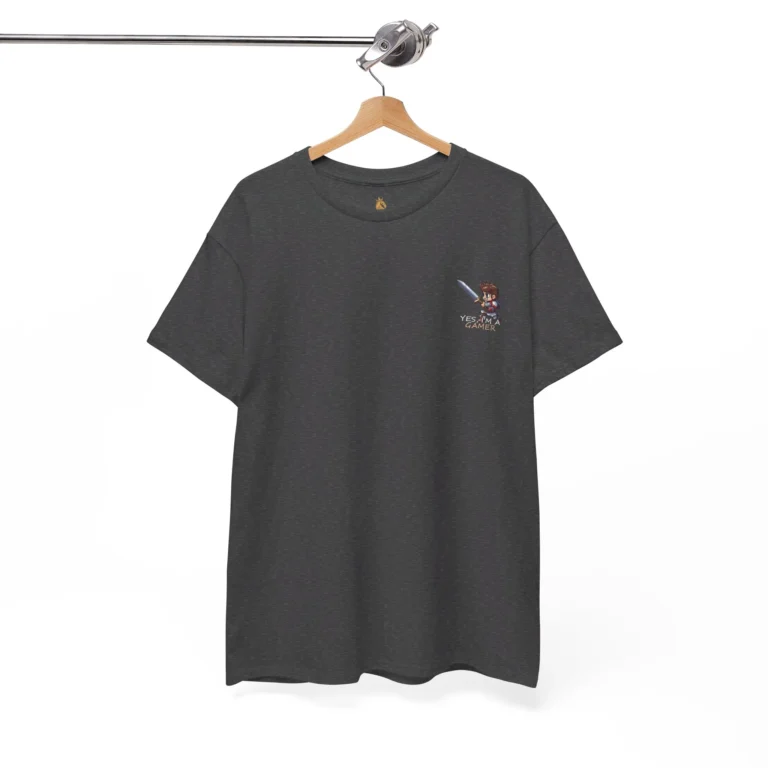
Whether you’re a fashion enthusiast or a seasoned retailer, this guide will help you maximize your clothing business’s sales potential. For more tips and gaming inspired clothing, visit irlmog.com.
📊 Why Clothing and Sales Go Hand-in-Hand
Clothing and sales have always been deeply intertwined due to the dynamic nature of the fashion industry and the constant demand for apparel. Here’s why this relationship is so powerful and essential for any business in the fashion space:
1. Constant Consumer Demand
Clothing is a fundamental necessity, but it’s also a form of self-expression. People are always in need of clothing for practical purposes — for work, school, or different weather conditions. Beyond that, fashion trends and personal style keep consumers continually looking for new pieces. This steady demand means there are always opportunities to sell clothing if you know your audience and market effectively.
2. Ever-Changing Trends
Fashion trends are always evolving. What’s popular today might be replaced by a new trend tomorrow. This constant shift creates a sense of urgency and opportunity in the market. Retailers can capitalize on these trends by timing their sales promotions to match what’s currently hot. Seasonal collections, influencer-driven trends, and pop culture moments can all drive spikes in sales if leveraged correctly.
3. Seasonal Clothing and Sales Cycles

The clothing industry is particularly sensitive to seasons and holidays. For instance, winter coats sell best in colder months, while swimwear sees a surge in summer. In addition, major retail events like Black Friday, Cyber Monday, and back-to-school shopping periods offer huge opportunities to boost sales. Successful retailers understand these cycles and plan inventory and marketing strategies accordingly.
4. Clothing and Sales – Emotional Purchases

Clothing often taps into emotions and personal identity. People buy clothes not just to meet a functional need but also to feel confident, express their personality, or fit into a social group. Sales promotions that connect emotionally with consumers — like “Treat Yourself” campaigns or themed collections — can be highly effective. Highlighting how a product makes someone feel can lead to increased sales.
5. Diverse Clothing and Sales Market Segments
The clothing industry caters to a wide range of demographics, including children, teens, adults, and seniors. Each group has unique preferences and needs. By identifying and targeting these segments with tailored marketing and sales strategies, businesses can effectively drive more conversions. For example, streetwear appeals to younger audiences, while luxury brands attract a higher-income clientele.
6. Impulse Buying Behavior
Clothing purchases are frequently driven by impulse. When shoppers see an attractive item at a discounted price or a limited-time offer, they are more likely to make a spontaneous purchase. Flash sales, exclusive discounts, and scarcity tactics (like “Only 2 left in stock!”) play into this behavior and boost sales dramatically.
7. Clothing and Sales E-commerce Growth
Online shopping has revolutionized how clothing is sold. Platforms like Shopify, Amazon, and social media marketplaces make it easier than ever to reach global audiences. With the growth of e-commerce, clothing retailers can offer round-the-clock sales and personalized recommendations, further driving revenue. Promotions, retargeting ads, and special online-only discounts encourage consumers to buy online.
8. Cross-Promotions and Upselling
Clothing sales strategies often involve upselling and cross-promotions. For example, offering a discount on accessories when someone buys a dress or suggesting complementary items (“Complete the look!”) can increase the average order value. These techniques are effective both in-store and online, maximizing the potential for higher sales.
9. Brand Loyalty and Repeat Business
Clothing brands that offer consistent quality and style build loyal customer bases. Sales events, loyalty programs, and exclusive discounts for returning customers encourage repeat business. Building this loyalty ensures a steady stream of revenue over time.
👕 Choosing the Right Clothing and Sales Niche

Selecting the right niche is one of the most crucial steps when selling clothes online. A niche helps define your target market, making it easier to create focused marketing strategies, attract loyal customers, and stand out from competitors.
The fashion industry is vast, so narrowing your focus allows you to offer unique value. Here’s how to choose the right clothing niche and why it matters.
1. Understand Your Interests and Expertise
Start by considering your personal interests, passions, and knowledge areas. If you’re enthusiastic about a certain style, like streetwear or vintage clothing, you’ll have an easier time curating products and marketing them authentically. Customers can sense genuine passion, which builds trust and connection with your brand.
Examples of Interest-Based Clothing and Sales Niches:
Luxury and High Fashion – Premium clothing for high-end consumers.
Streetwear – Urban, edgy designs for younger audiences.
Athleisure – Comfortable, stylish sportswear for everyday wear.
Vintage and Retro – Throwback styles that appeal to nostalgia lovers.
2. Identify Clothing and Sales Market Demand
Research market trends to see what types of clothing are in demand. Use tools like Google Trends, social media insights, and fashion forums to understand what people are searching for and buying. Pay attention to growing trends and underserved markets where you can fill a gap.
High-Demand Clothing and Sales Niches in 2024:
- Sustainable Fashion – Eco-friendly clothing made from recycled or organic materials.
- Size-Inclusive Apparel – Clothing for plus-size and petite customers.
- Tech-Enhanced Wearables – Smart clothing with tech features like fitness tracking.
- Gender-Neutral Clothing – Unisex fashion that appeals to all genders.
3. Know Your Target Audience

Defining a niche helps you pinpoint your ideal customer. Consider demographics such as age, gender, lifestyle, and purchasing behavior. The more you know about your audience, the better you can tailor your products, marketing, and customer service.
- Baby Clothing – New parents, gift buyers, family members
- Skateboarding Apparel – Teenagers, young adults, skateboard enthusiasts
- Office Wear – Professionals, corporate workers
- Festival Fashion – Music festival-goers, boho-style lovers
4. Consider Profit Margins and Competition
Some niches are more profitable than others. High-end fashion can offer higher margins but may face stiff competition. Niches like handmade clothing or custom-designed apparel may allow for unique pricing strategies. Analyze your competitors to see where you can offer better value, unique designs, or superior service.
Questions to Evaluate Clothing and Sales Profit Potential:
- What’s the average price point for this niche?
- How saturated is the market?
- Can you offer something different or better than competitors?
5. Evaluate Seasonal Clothing and Sales Trends

Certain clothing niches perform better during specific times of the year. For example, swimwear thrives in summer, while coats and sweaters see spikes in fall and winter. Consider whether your niche can generate year-round sales or if you need to plan for seasonal demand.
Seasonal Clothing and Sales Niche Ideas:
- Summer – Swimwear, beachwear, sunglasses.
- Winter – Jackets, scarves, thermal wear.
- Spring/Fall – Layered fashion, transitional clothing.
6. Test the Waters with Small Collections
Before fully committing to a niche, test your ideas with small collections or limited-edition runs. Platforms like Etsy, Instagram, or even pop-up shops allow you to gauge interest without investing heavily upfront. Pay attention to feedback and sales data to refine your niche further.
Ways to Test a Niche:
- Launch a small online store.
- Sell through social media platforms.
- Offer pre-orders to measure interest.
- Attend local markets or fairs.
7. Align with Trends and Values
Today’s consumers often support brands that align with their values. If sustainability, ethical production, or inclusivity matter to your audience, incorporating these elements into your clothing niche can set you apart.
Values-Based Niches:
- Ethical Fashion – Fair-trade production and ethical labor practices.
- Minimalist Wardrobe – Capsule collections with timeless pieces.
- Cause-Based Apparel – Clothing that supports charities or movements.
💼 Crafting a Sales Strategy for Clothing
A strong sales strategy is crucial for turning your clothing business into a profitable venture. Whether you’re selling online or in person, having a clear plan helps you reach the right customers, boost your visibility, and increase conversions. Here’s a step-by-step guide to building an effective sales strategy for clothing.
1. Define Your Sales Goals
Before diving into the details, set specific, measurable goals. These objectives will give your strategy direction and help track your progress.
- Examples of Sales Goals:
- Sell 1,000 units in the first six months.
- Increase website traffic by 30% in the next quarter.
- Gain 500 new email subscribers within three months.
Set both short-term and long-term goals to keep your strategy adaptable and focused.
2. Identify Your Target Audience

Understanding your ideal customer allows you to create tailored sales strategies. Consider their age, location, lifestyle, income level, and purchasing habits.
- Target Audience Examples:
- Streetwear Brand: Young adults aged 18-30 who follow urban fashion trends.
- Sustainable Clothing: Environmentally conscious shoppers who value eco-friendly products.
- Formal Wear: Professionals aged 25-45 looking for high-quality work attire.
When you know your audience, you can create personalized marketing messages that resonate and drive sales.
3. Choose Your Sales Channels
Select the right platforms to reach your customers. Depending on your niche, some channels will be more effective than others.
| Sales Channel | Best For |
|---|---|
| Online Store (Shopify, WooCommerce) | Brand-focused e-commerce, large catalogs. |
| Marketplaces (eBay, Amazon, Etsy) | Broad audience, ready-made customer base. |
| Social Media Shops (Instagram, Facebook) | Visual-heavy niches, direct engagement. |
| In-Person (Pop-ups, Trade Shows) | Limited collections, local brand building. |
A multi-channel approach increases your reach and gives customers options for how they want to shop.
4. Develop a Clothing and Sales Pricing Strategy
Competitive and transparent pricing is vital for attracting customers and ensuring profitability. Consider factors like production costs, market demand, competitor pricing, and perceived value.
- Common Pricing Strategies:
- Cost-Plus Pricing: Base price + desired profit margin.
- Competitive Pricing: Align with similar products in the market.
- Value-Based Pricing: Price based on customer perception of worth (e.g., luxury or designer items).
Offer occasional promotions like discounts, bundles, or free shipping to entice new and returning customers.
5. Create a Marketing Plan
Promoting your clothing effectively is key to driving traffic and sales. Use a mix of digital marketing, social media, and traditional advertising to reach your audience.
- Digital Marketing Tactics:
- SEO (Search Engine Optimization): Optimize your website for relevant keywords (e.g., “affordable streetwear” or “vintage fashion”).
- Content Marketing: Start a blog or post videos to showcase your expertise and brand story.
- Email Marketing: Send newsletters with promotions, new arrivals, and style tips.
- Social Media Tactics:
- Instagram and TikTok: Share photos, reels, and behind-the-scenes content.
- Facebook Ads: Target specific demographics with tailored ad campaigns.
- Influencer Marketing: Partner with influencers who align with your brand values.
6. Offer Excellent Customer Service
A seamless buying experience encourages repeat customers and word-of-mouth marketing. Focus on customer satisfaction by offering:
- Fast Shipping: Clear timelines and tracking updates.
- Easy Returns: Hassle-free return policies.
- Responsive Support: Quick replies via email, chat, or social media.
Add a personal touch, like thank-you notes or special discounts for loyal customers, to build long-lasting relationships.
7. Use Data to Refine Your Strategy
Track your sales data and customer behavior to identify what’s working and what needs improvement.
- Key Metrics to Track:
- Conversion Rate: Percentage of visitors who make a purchase.
- Average Order Value (AOV): How much customers spend per order.
- Customer Retention Rate: How many customers make repeat purchases.
- Cart Abandonment Rate: How often shoppers leave without completing a purchase.
Use this data to adjust your pricing, promotions, or marketing tactics for better results.
8. Leverage Seasonal and Trend-Based Sales

Timing your promotions with seasons, holidays, and fashion trends can drive significant sales spikes.
- Seasonal Sales Ideas:
- Summer: Swimwear, festival outfits, and light clothing.
- Winter: Coats, sweaters, and holiday-themed collections.
- Trend-Based Sales:
- Monitor what’s trending on platforms like TikTok or Instagram and launch products or promotions that tap into those trends.
🌐 Leveraging Online Platforms for Clothing and Sales
Using online platforms effectively can make or break your clothing business. The right platform can expose your brand to millions of potential customers, streamline your sales process, and even help you build a loyal following. Here’s how to leverage these platforms for success:
1. Clothing and Sales E-commerce Websites
Creating your own e-commerce website through platforms like Shopify, WooCommerce, or BigCommerce allows full control over your brand. This approach works best if you want to establish a unique identity, customize the shopping experience, and handle everything from inventory to customer service.
Benefits:
- Full customization of design and user experience.
- Control over marketing and branding strategies.
- Ability to use SEO, email marketing, and loyalty programs.
Tips:
- Integrate secure payment gateways for a smooth checkout process.
- Ensure your website is mobile-friendly.
- Optimize for SEO to attract organic traffic.
2. Marketplaces
Platforms like Amazon, eBay, and Etsy give you immediate access to millions of shoppers who are ready to buy. These platforms handle much of the technical work, making them an easier entry point for new sellers.
Benefits:
- Immediate exposure to a large audience.
- Built-in trust and credibility with established marketplaces.
- Simple to set up and manage listings.
Tips:
- Optimize product listings with detailed descriptions and keywords.
- Use high-quality images that stand out in search results.
- Keep track of customer reviews and feedback to build trust.
3. Social Media Shops
Platforms like Instagram, Facebook, and TikTok now offer integrated shopping experiences. If your clothing brand relies on visuals and direct interaction with customers, social media shops are a must.
Benefits:
- Engages potential customers where they already spend their time.
- Visual content helps showcase products and brand identity.
- Direct interaction builds community and trust.
Tips:
- Use engaging videos, reels, and stories to showcase products.
- Leverage influencers or brand ambassadors to promote your clothing.
- Run paid ad campaigns to target specific audiences based on demographics or interests.
4. Third-Party Apps and Platforms
Apps like Depop, Poshmark, and ThredUp cater to niche audiences like vintage, streetwear, and second-hand fashion lovers. These platforms are great for tapping into specific markets without needing a full-fledged online store.
Benefits:
- Perfect for niche products and resale markets.
- Easy to set up and use for individual sellers.
- Built-in social features like follows, likes, and shares.
Tips:
- Offer limited-time promotions or exclusive drops to create urgency.
- Build your profile with consistent branding and engaging content.
- Respond quickly to customer questions and messages to improve your reputation.
5. Email Marketing Integration
Most online platforms allow you to build an email subscriber list. Email marketing helps retain customers and boost repeat sales.
Benefits:
- Direct communication with your audience.
- Ability to offer personalized promotions and updates.
- Increases customer loyalty through regular engagement.
Tips:
- Use automated welcome emails to introduce your brand.
- Send regular newsletters with exclusive offers or sneak peeks.
- Create special discounts for loyal subscribers.
📸 Importance of High-Quality Product Photos
When selling clothing online, high-quality product photos play a crucial role in converting potential buyers into paying customers. Unlike physical stores where shoppers can touch and try on clothes, online customers rely solely on visuals to make a decision. That’s why the quality of your images can make or break your sales. Here’s why high-quality photos are essential and how they influence your business success.
1. Create a Strong First Impression
Your product photos are often the first thing a potential customer sees. Clear, attractive images immediately convey professionalism and quality, making your brand appear reliable and trustworthy. Blurry or poorly lit photos can have the opposite effect, making your store seem unprofessional and discouraging customers from browsing further.
Tips:
- Use high-resolution images to show crisp, clear details.
- Use a plain background to make the clothing item stand out.
- Ensure proper lighting to highlight textures and details.
2. Highlight Key Features and Details
High-quality photos allow you to showcase the unique features of your clothing, such as fabric texture, stitching, patterns, and colors. Shoppers want to know exactly what they are buying, and detailed photos give them confidence that they are making the right choice.
Tips:
- Include close-up shots of intricate details like buttons, zippers, or fabric patterns.
- Use different angles to give a complete view of the garment.
- Capture photos that show the item in different lighting conditions.
3. Reduce Return Rates
One of the biggest challenges in online clothing sales is the high rate of returns due to unmet expectations. When customers receive clothing that doesn’t match the photos, they are likely to return it. Accurate and high-quality images help set the right expectations, leading to fewer returns and higher customer satisfaction.
Tips:
- Represent colors as accurately as possible.
- Include photos of the clothing on models with different body types.
- Add a brief note if the color may vary due to lighting or screen differences.
4. Boost Customer Confidence
Customers are more likely to buy from brands that they trust. High-quality photos signal that you care about your products and your customers. They provide transparency and build confidence, especially when you include multiple views and detailed shots.
Tips:
- Offer multiple images showing the clothing from the front, back, and side.
- Include lifestyle shots to show the clothing in real-world situations.
- Use consistent photo styles to create a cohesive brand image.
5. Improve Clothing and Sales Click-Through Rates (CTR)
In crowded online marketplaces or social media feeds, eye-catching images help your products stand out. High-quality photos increase the likelihood that shoppers will click on your listing rather than a competitor’s.
Tips:
- Invest in professional photography or high-end camera equipment.
- Use photos with models or styled flat-lays to create visual interest.
- Make sure your thumbnail images are clear and attention-grabbing.
6. Support Your Branding

Consistent, high-quality imagery helps reinforce your brand identity. Whether you aim for a luxurious, trendy, or casual vibe, your photos should reflect that. This consistency helps customers connect with your brand and remember it.
Tips:
- Develop a signature photography style, such as certain filters, backgrounds, or themes.
- Ensure all photos across your website, social media, and ads match your brand’s aesthetic.
- Use photos to tell a story about your clothing and the lifestyle it represents.
📝 Detailed Descriptions Drive Sales
When selling clothing online, detailed product descriptions are just as important as high-quality photos. While images give customers a visual idea, descriptions provide the context, specifics, and feel that a picture alone cannot. A well-crafted description helps potential buyers understand the product fully, giving them the confidence to complete a purchase. Here’s how detailed descriptions can boost your sales and enhance customer experience.
1. Provide Essential Information
Detailed descriptions should cover the key details that customers need to know before purchasing. This includes material, size, color, fit, and care instructions. The more informative you are, the less room there is for doubt or confusion.
Example:
“This casual hoodie is made from 100% organic cotton for a soft and breathable feel. Available in sizes S to XXL, it offers a relaxed fit perfect for everyday wear. Machine washable for easy care.”
Tips:
- Mention any unique features like pockets, linings, or stitching details.
- List fabric content and care instructions clearly.
- Include measurements for each size to help with fit.
2. Highlight Benefits, Not Just Features
Instead of only stating what the item is made of, explain why it matters. Show customers how these features benefit them. This can make your product more appealing and relatable.
Example:
“Crafted with moisture-wicking fabric, this activewear top keeps you cool and dry during intense workouts, helping you stay comfortable and focused.”
Tips:
- Connect features to comfort, durability, style, or ease of use.
- Use language that resonates with your target audience.
- Focus on how the item will improve the customer’s experience.
3. Use Engaging and Descriptive Language
A good product description goes beyond the basics by using evocative and sensory language. Paint a picture with words so that the customer can imagine how the product looks and feels.
Example:
“Slip into this luxurious silk dress, which drapes elegantly over your frame and shimmers in the light, making it the perfect choice for evening events.”
Tips:
- Use adjectives to describe texture, color, and fit (e.g., cozy, sleek, vibrant).
- Avoid generic or repetitive language.
- Keep the tone consistent with your brand’s personality.
4. Address Customer Concerns
Online shoppers can’t physically inspect the item, so address common concerns directly in the description. These could include questions about fit, comfort, or durability. Clear, honest information helps reduce hesitation and build trust.
Example:
“Runs true to size, but for a looser fit, we recommend sizing up. The durable stitching ensures it holds up wash after wash.”
Tips:
- Anticipate customer questions and answer them in the description.
- Be transparent about sizing and fit.
- Include a note about variations, like color differences due to lighting.
5. Optimize Clothing and Sales for SEO
Detailed descriptions aren’t just for customers — they also help with search engine optimization (SEO). Including keywords relevant to your product can make it easier for customers to find your clothing through search engines like Google.
Example:
“Our men’s slim-fit jeans are the ultimate in comfort and style. These stretch denim jeans are perfect for casual outings or weekend wear.”
Tips:
- Use keywords naturally, without stuffing.
- Include terms people might search for, like “casual dress,” “winter coat,” or “athleisure hoodie.”
- Structure descriptions with headings, bullet points, and short paragraphs for readability.
6. Tell a Story

Adding a story element to your descriptions helps create a connection with your customers. Explain the inspiration behind the design or suggest how the clothing can fit into their lifestyle.
Example:
“Inspired by vintage 90s streetwear, this oversized jacket brings a retro vibe to your wardrobe. Pair it with your favorite sneakers for an effortlessly cool look.”
Tips:
- Share a brief backstory or design inspiration.
- Suggest occasions or outfits where the item works best.
- Make the customer feel like they’re buying more than just a piece of clothing.
🌟 How to Leverage Social Media for Clothing and Sales
In today’s digital age, social media has become one of the most powerful tools for promoting and selling clothing. With millions of active users on platforms like Instagram, Facebook, Pinterest, and TikTok, leveraging these platforms can dramatically increase your brand’s visibility, drive traffic to your online store, and boost your sales. Here’s how you can effectively use social media to maximize your clothing sales.
1. Choose the Right Platforms for Your Audience
Not all social media platforms are created equal, and each one attracts a unique audience. To make the most of your social media efforts, you must select the platforms where your target audience is most active.
- Instagram: Great for visually showcasing your clothing line with high-quality photos and videos. It’s perfect for lifestyle imagery and fashion influencers.
- Facebook: Useful for building a community, sharing updates, and running targeted ads. Facebook’s robust advertising platform allows you to reach different demographics effectively.
- Pinterest: Ideal for showcasing style ideas, trends, and collections. Many users browse Pinterest for fashion inspiration, so it’s a great platform to visually market your products.
- TikTok: If your target market is younger, TikTok can be a game-changer. With short, creative video content, you can showcase your clothing line in a fun and engaging way.
By focusing your efforts on the platforms where your audience spends the most time, you’ll increase your chances of driving traffic and ultimately making sales.
2. Share High-Quality Visual Content
Social media is a visual-first platform, especially for the fashion industry. High-quality photos, videos, and graphics are essential for standing out in a crowded feed. Here’s how you can use visuals to your advantage:
- Professional Photoshoots: Invest in professional photography or create high-quality images yourself. Showcase your clothing in real-life situations, such as on models or in lifestyle settings.
- User-Generated Content: Encourage your customers to share photos of themselves wearing your clothing and tag your brand. Reposting this user-generated content builds trust and creates a sense of community.
- Videos and Reels: Use short video formats like Instagram Reels or TikTok to showcase your clothing in motion. These videos can highlight the product’s fit, fabric, and how it moves, making it more relatable to potential customers.
3. Collaborate with Influencers
Influencer marketing has become an essential strategy for fashion brands. By partnering with influencers who align with your brand, you can reach a wider audience and build credibility.
- Micro-Influencers: You don’t always need to partner with celebrities. Micro-influencers (those with a smaller but highly engaged following) can offer more cost-effective options and often have a more loyal and niche audience.
- Paid Sponsorships or Affiliate Links: Work with influencers who will wear your clothing and share discount codes or affiliate links with their followers. This incentivizes both the influencer and their audience, encouraging them to make a purchase.
- Collaborative Collections: Another strategy is to collaborate with influencers to design limited-edition clothing lines or products. This not only boosts sales but also creates excitement and urgency among consumers.
4. Run Clothing and Sales Targeted Ads
Paid advertising on social media can be a powerful way to reach potential customers. Platforms like Facebook, Instagram, and Pinterest offer highly targeted ad options that allow you to tailor your audience based on interests, behaviors, and demographics. Here are some ways to use ads effectively:
- Carousel Ads: On Instagram and Facebook, carousel ads allow you to showcase multiple products in a single post. This is great for displaying a range of clothing styles or different colors of the same item.
- Shoppable Posts: Use shoppable posts on Instagram to tag products directly in your photos and videos, allowing users to purchase your clothing without leaving the platform.
- Retargeting Ads: If someone visited your website but didn’t make a purchase, you can use retargeting ads to show them ads for the products they viewed. This helps remind them of your brand and encourages them to come back and buy.
5. Engage with Your Audience
Social media is not just a platform to post content; it’s also a place to engage with your audience. Building a community and developing strong relationships with customers can lead to repeat sales and brand loyalty. Here’s how you can engage:
- Respond to Comments and Messages: Take the time to answer customer inquiries, respond to comments, and engage in conversations. It shows that you care and helps build trust.
- Host Contests and Giveaways: Encourage interaction by hosting contests or giveaways. For example, ask followers to share their favorite outfit from your clothing line for a chance to win a free item.
- Polls and Feedback: Use polls and questions in your Instagram Stories or Facebook posts to gather feedback on new collections or colors. This makes your audience feel involved in the decision-making process and increases their investment in your brand.
6. Leverage User-Generated Content (UGC)
User-generated content is one of the most authentic forms of marketing. When customers share photos or videos of themselves wearing your products, it creates social proof and builds trust. Encouraging UGC can be an excellent way to promote your brand without having to invest heavily in professional content.
- Create a Branded Hashtag: Encourage customers to use a branded hashtag when they post about your products. This makes it easy for you to find and repost their content.
- Feature Customers on Your Social Media: When a customer posts a photo wearing your clothing, ask if you can share it on your social media. People love being featured, and it helps build a sense of community.
7. Create Engaging Stories and Posts
Use stories and temporary posts to create a sense of urgency or behind-the-scenes content. Instagram Stories, Facebook Stories, and even Twitter Fleets allow you to post more spontaneous, informal content that connects with your audience on a personal level.
- Flash Sales or Limited-Time Discounts: Share exclusive discounts or promotions via stories to encourage immediate purchases.
- Behind-the-Scenes Content: Show the process behind designing or creating your clothing, or share a sneak peek of upcoming collections. This builds anticipation and excitement.
- Polls and Quizzes: Use polls and interactive quizzes to engage your audience and learn more about what they like. For example, you can ask them to vote on which color of a new item they prefer.
8. Analyze and Optimize Your Clothing and Sales Social Media Strategy
To make sure your social media efforts are paying off, it’s important to track and analyze your performance. Use the analytics tools provided by social platforms to see what’s working and what needs improvement.
- Track Engagement: Look at likes, comments, shares, and click-through rates to gauge how your content is performing.
- Test Different Content Types: Try posting a mix of content, such as photos, videos, carousel ads, and stories, and see which ones resonate the most with your audience.
- Adjust Your Strategy: Based on the data, refine your approach. Focus on what works, and discard or improve what doesn’t.
🚀 Future Trends in Clothing and Sales

The world of clothing and sales is rapidly evolving, driven by technological advancements, changing consumer behavior, and new retail strategies. Understanding these trends can help you stay ahead of the competition and position your brand for success in the future. Here’s a look at the most impactful trends shaping the future of clothing sales.
1. Sustainability and Ethical Fashion
Consumers are increasingly concerned with the environmental impact of their purchases. As climate change awareness grows, many are shifting towards more sustainable and ethically produced clothing. This means that the future of clothing sales will see a greater emphasis on brands that use eco-friendly materials, sustainable manufacturing practices, and transparent supply chains.
- Eco-friendly Fabrics: The use of organic cotton, recycled polyester, and innovative fabrics made from natural fibers or waste materials will become more mainstream.
- Sustainable Packaging: Brands are expected to reduce packaging waste by opting for biodegradable or recyclable materials.
- Ethical Production: Transparency in the manufacturing process, including fair labor practices and humane working conditions, will be increasingly important to consumers.
To stay competitive, clothing brands will need to embrace sustainability practices and communicate these values effectively to their audience.
2. Clothing and Sales Personalization and Customization
Personalization in clothing is no longer a luxury; it’s becoming an expectation. Consumers want clothing that suits their unique preferences, whether it’s through custom designs, tailored fits, or personalized shopping experiences.
- Customizable Clothing: Brands will offer more options for customers to personalize their items, from choosing colors and fabrics to adding monograms or custom graphics.
- AI-Driven Recommendations: Artificial intelligence will play a key role in recommending products tailored to individual tastes and previous purchase behaviors, helping brands offer a more personalized shopping experience.
- Virtual Fitting Rooms: Advanced augmented reality (AR) technology is enabling virtual try-ons, where customers can see how clothing will look on them without physically trying it on.
Personalization not only enhances the customer experience but also helps build brand loyalty and increase conversion rates.
3. The Rise of Direct-to-Consumer (DTC) Clothing and Sales Models
The traditional retail model is shifting, with more clothing brands embracing the direct-to-consumer (DTC) approach. In the DTC model, brands sell directly to customers via their own online platforms, cutting out the middleman (such as retailers or wholesalers).
- E-commerce Growth: DTC brands will continue to expand their online presence, using data-driven marketing strategies to attract and retain customers.
- Subscription Models: Subscription-based services that send personalized clothing items to customers on a regular basis are expected to grow. This model fosters brand loyalty and generates consistent revenue.
- Brand Control: Selling directly to consumers gives brands more control over pricing, customer experience, and product offerings.
The DTC model allows brands to build stronger connections with their customers and create a seamless, direct buying experience.
4. Integration of Artificial Intelligence and Automation
Technology is playing a major role in streamlining clothing sales processes. From automated customer service to AI-powered design tools, brands are increasingly relying on artificial intelligence (AI) and automation to improve efficiency and customer experience.
- AI-Powered Chatbots: Chatbots that provide personalized shopping assistance will become more common, guiding customers through product recommendations, sizing, and order tracking.
- Automated Inventory Management: Brands will adopt AI to track inventory in real-time, forecast demand, and automate restocking, ensuring popular products are always available.
- Smart Clothing: Clothing items embedded with technology, such as smart fabrics or wearables that monitor health, will become more prevalent in the market.
As AI and automation continue to evolve, they will shape how clothing is sold and how customers interact with brands.
5. Social Commerce and Shoppable Clothing and Sales Social Media
Social media is becoming a key sales channel for clothing brands, thanks to the rise of social commerce. Social platforms like Instagram, Facebook, and TikTok are integrating e-commerce features that allow users to shop directly from their feeds.
- Shoppable Posts: Instagram and Facebook have introduced features that allow brands to tag products in posts and stories, letting users shop with a few taps.
- Live Shopping Events: Live shopping, where brands host real-time online events showcasing their clothing and allowing viewers to purchase instantly, will become more common.
- Influencer-Driven Sales: Social media influencers will continue to drive sales by promoting clothing items and offering exclusive discount codes to their followers.
The integration of shopping features on social media will blur the lines between entertainment and commerce, making it easier for consumers to purchase clothing directly through platforms they already use.
6. Virtual and Augmented Reality Shopping Experiences
The future of shopping will involve more immersive experiences. Virtual reality (VR) and augmented reality (AR) will enhance the way consumers browse and shop for clothing.
- Virtual Try-Ons: Consumers can try on clothing virtually through AR technology, allowing them to see how items look on their body type before making a purchase.
- Virtual Showrooms: With VR, brands can create fully immersive shopping environments where customers can walk through virtual stores, interact with products, and even attend fashion shows.
- 3D Clothing Models: Brands are using AR to allow customers to view 3D models of clothing, helping them make more informed purchasing decisions.
These technologies will offer a new level of convenience and engagement, enhancing the online shopping experience.
7. Subscription and Rental Clothing Models
The idea of owning clothing is shifting, especially with younger generations who prioritize experiences over possessions. Subscription services and clothing rentals are expected to continue growing, providing consumers with access to a rotating wardrobe without the need for long-term ownership.
- Rental Services: Platforms like Rent the Runway allow customers to rent high-end clothing for a fraction of the retail price. This model is expected to expand to everyday wear, offering rental options for various occasions.
- Subscription Boxes: Subscription services that send curated clothing items to customers’ doorsteps each month are becoming popular. These services use data to understand the customer’s style and preferences, creating a personalized wardrobe experience.
These alternative models allow consumers to refresh their wardrobe regularly and try out new styles without committing to purchases.
8. Influencer Marketing and Social Media Collaborations
Influencer marketing is continuing to grow, and clothing brands are increasingly relying on social media collaborations with influencers to promote their products.
- Brand Ambassadors: Long-term partnerships with influencers will become more common. These ambassadors will promote a brand consistently, helping to build trust and loyalty.
- Collaborative Collections: Brands will team up with popular influencers or celebrities to create exclusive clothing lines that cater to their followers’ preferences.
This approach helps brands reach new audiences while tapping into the credibility and influence of key figures.
9. The Importance of Data and Analytics in Clothing and Sales Business
As data analytics becomes more sophisticated, clothing brands will have more tools at their disposal to understand consumer behavior, predict trends, and optimize their sales strategies.
- Predictive Analytics: By analyzing past purchasing data, brands can predict future trends, allowing them to create clothing collections that meet customer demands.
- Personalized Shopping: Data will be used to offer customers personalized experiences, from tailored product recommendations to targeted discounts based on their purchase history.
Data-driven strategies will empower brands to make more informed decisions and improve overall sales performance.
Conclusion
The future of clothing and sales is rapidly changing, with a strong focus on sustainability, technology, and personalized shopping experiences. Brands that embrace these trends and adapt to the evolving marketplace will have the opportunity to stay ahead of the competition.
As you explore ways to grow your clothing business, make sure to keep an eye on these emerging trends and incorporate them into your strategy for continued success. For more tips on improving your clothing and sales along with the gaming inspired apparel, visit irlmog.com.